Basra tribal leader protests Iranian excavation on “private” land


Shafaq News- Basra
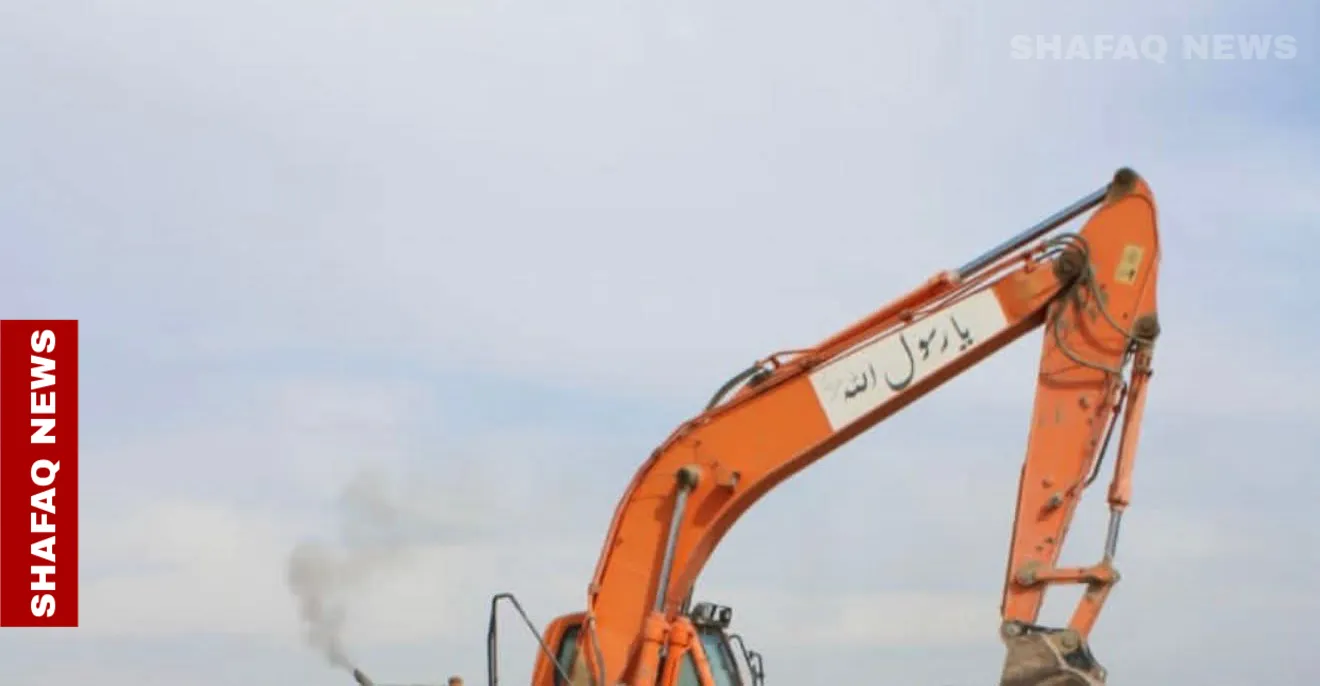
Excavation work along Iraq’s border with Iran in Basra province sparked controversy on Sunday after a tribal leader objected to the presence of Iranian machinery on “privately-owned” land.
Bani Malik tribal leader Dirgham Al-Maliki told Shafaq News that he had not received formal notification of the digging or its boundaries, explaining that the entry of heavy equipment onto the property prompted his protest to safeguard ownership rights.
Documents later obtained by Shafaq News showed that the excavation is part of joint Iraqi–Iranian cooperation to locate the remains of soldiers missing from the 1980–1988 Iran–Iraq war, a humanitarian file managed under long-standing bilateral arrangements. Specialized teams were officially authorized to carry out survey and excavation work for a limited period across multiple border sites in Basra, under the supervision of state bodies responsible for missing persons affairs, according to the documents.
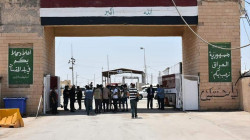
In October 2025, the two countries also exchanged the remains of 70 Iraqi and 48 Iranian soldiers at the Shalamcheh border crossing in Basra, most of them unidentified, in a process overseen by the International Committee of the Red Cross under a 2008 Geneva agreement. Separate search missions have also involved Iraqi archaeologists working alongside joint committees near the Iraq–Iran border to identify and preserve suspected wartime burial sites.