Iraq disbands command overseeing Kirkuk-Saladin areas


Shafaq News- Kirkuk
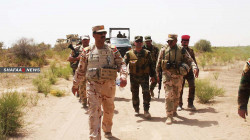
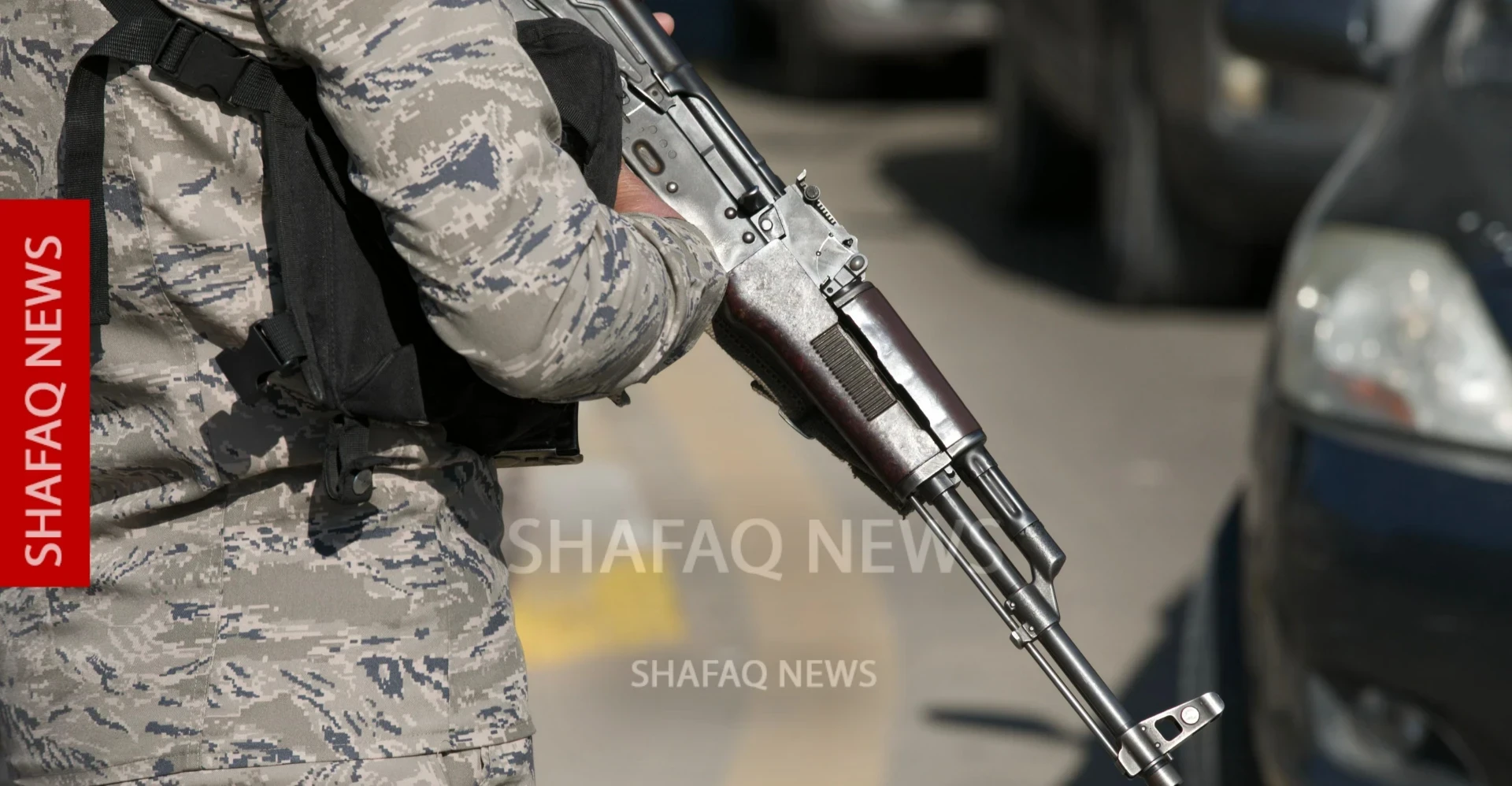
Iraq’s military has decided to dissolve the East Tigris Operations Command, which oversees security from southern Kirkuk to Tuz Khurmatu in neighboring Saladin province, as part of a reorganization of military responsibilities and deployments, an informed security source told Shafaq News on Saturday.
Military authorities will determine how its forces and duties are redistributed, while the areas previously under East Tigris Operations Command's responsibility will remain under security and military coverage within a new structure to be adopted by the General Command of the Armed Forces, the source added.
Meanwhile, Iraqi Turkmen Parliamentary Bloc leader Ersat Salihi called for federal forces to remain in Kirkuk and Tuz Khurmatu, saying the existing security presence had helped preserve stability. He warned against any measures that could renew tensions in the two areas and expressed confidence that Iraq’s leadership would take decisions that safeguard security and consider the interests of Kirkuk and Tuz Khurmatu’s different communities.
Kirkuk, home to Kurdish, Arab and Turkmen communities, is among the territories disputed between Iraq’s federal government and the Kurdistan Regional Government (KRG). Under Saddam Hussein’s Baathist government, Arabization policies displaced Kurdish and Turkmen families and resettled Arabs in parts of the province.
Read more: Discover Iraq: Kirkuk, a city of oil, culture, and conflict
Article 140 of Iraq’s post-2003 constitution established a process to address demographic changes under the former government and determine the status of Kirkuk and other disputed territories, but the process has never been completed. Kurdish Peshmerga forces took control of Kirkuk in 2014 during the ISIS offensive before Iraqi federal forces reasserted control in October 2017.
Tuz Khurmatu, an ethnically mixed district administratively belonging to Saladin province, is likewise among the disputed territories. Its population includes Kurdish, Arab and Turkmen communities.
Read more: Discover Iraq: Saladin Province’s long road to recovery after ISIS