Kept in Silence, Kept Alive: The untold story of Iraq’s Kakai faith


Shafaq News
For centuries, the Kakai community—part of the broader Yarsani tradition—has quietly safeguarded one of Iraq’s oldest faiths. Shaped by ancient Kurdish spirituality and infused with mystical interpretations of Islam, the Kakais have long kept their beliefs discreet, a silence born of persecution and the instinct to survive.
A Spiritual Identity Spanning Four Lands
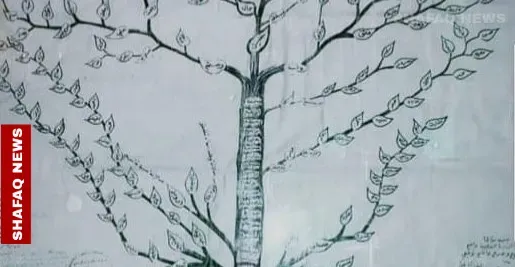
Faydallah Bahaa al-Din, a prominent Kakai figure in Kirkuk, told Shafaq News that the community’s roots span four neighboring countries. “In Iraq, we are known as the Kakais; in Iran, as Ahl-e Haqq (People of the Truth); in Turkiye, as Bektash; and in Syria, as Alawites—these four lands are our original homeland,” he said.
The Kakais in Iraq, he explained, trace
their lineage to Hussein ibn Ali, the third Imam in Shia Islam, and maintain
distinct burial grounds and leadership traditions. In Kirkuk, they are mostly
affiliated with the Kakai (Aghawat) clan, one of the most prominent branches in
the country.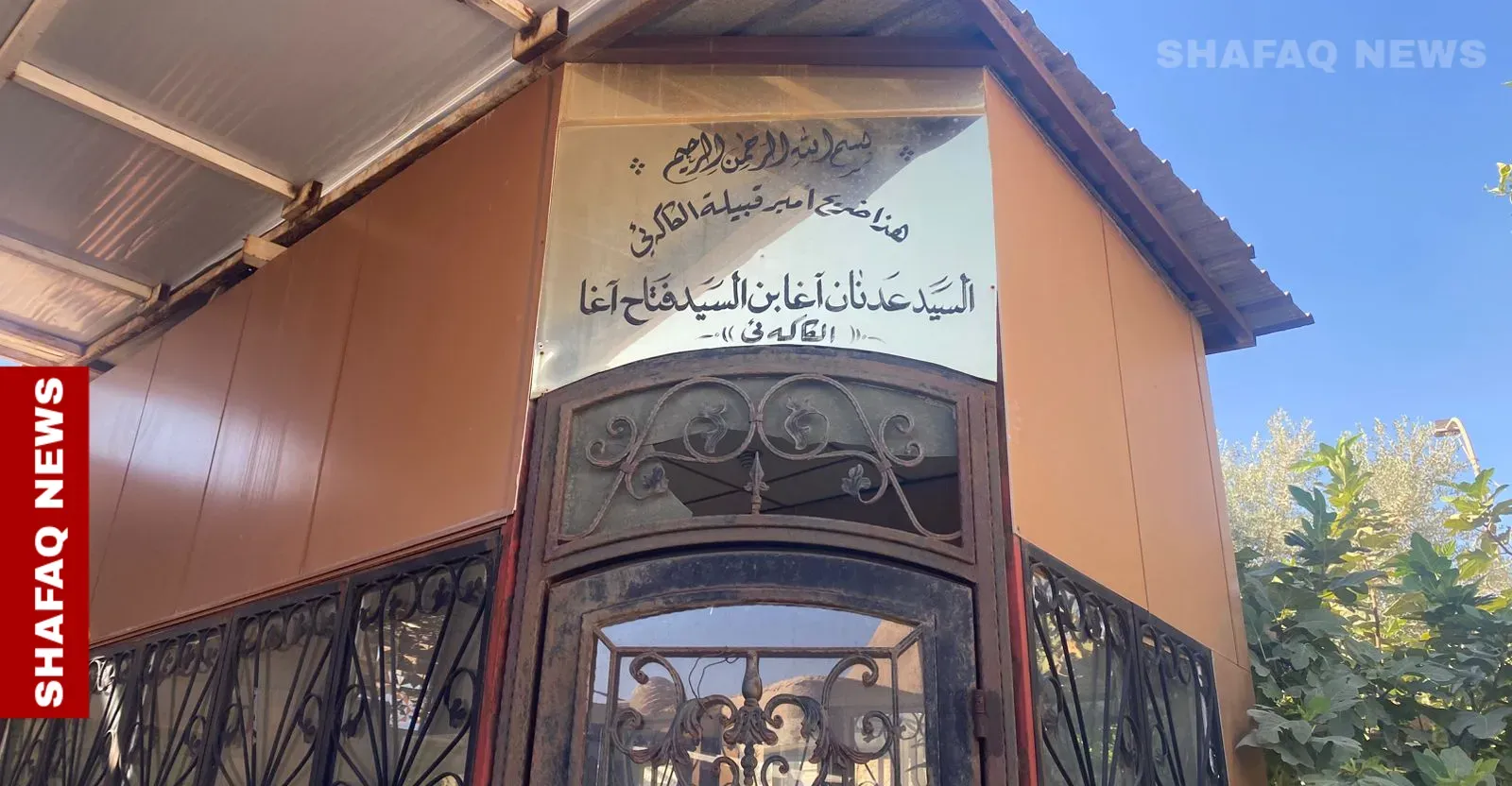
Faith and Philosophy
Kakais believe in one Creator and follow four moral pillars: purity, honesty, selflessness, and forgiveness. Their teachings center on the concept of divine manifestation—God periodically appearing in human form through sacred incarnations, the last of whom was Sultan Sahak, regarded as the reformer of the Yarsani faith in the 14th century.
Their holy text, Kalam-e Saranjam (“The Discourse of Conclusion”), compiled in the seventh century AH, outlines their moral code and rituals. Kakai worship centers on personal prayer and meditation at dawn and sunset rather than congregational practice. The community observes fast and prohibits alcohol, polygamy, and divorce without mutual consent.
Music holds deep spiritual
importance—religious hymns are performed on the Tanbur, a traditional string
instrument that carries both sacred and cultural meaning.
Distinct Identity and Cultural Expression
The name Kakai derives from the Kurdish word kaka, meaning “elder brother” or “protector,” reflecting the community’s values of unity and compassion. Followers are easily recognized by their long moustaches, which they view as a sacred symbol, and by their traditional Kurdish attire—the Saya robe and Jamadani headscarf.
The community celebrates several annual
festivals, including the Khawandkar, which follows three days of fasting in
autumn, and Nowruz, the Kurdish and Persian New Year. Their most revered
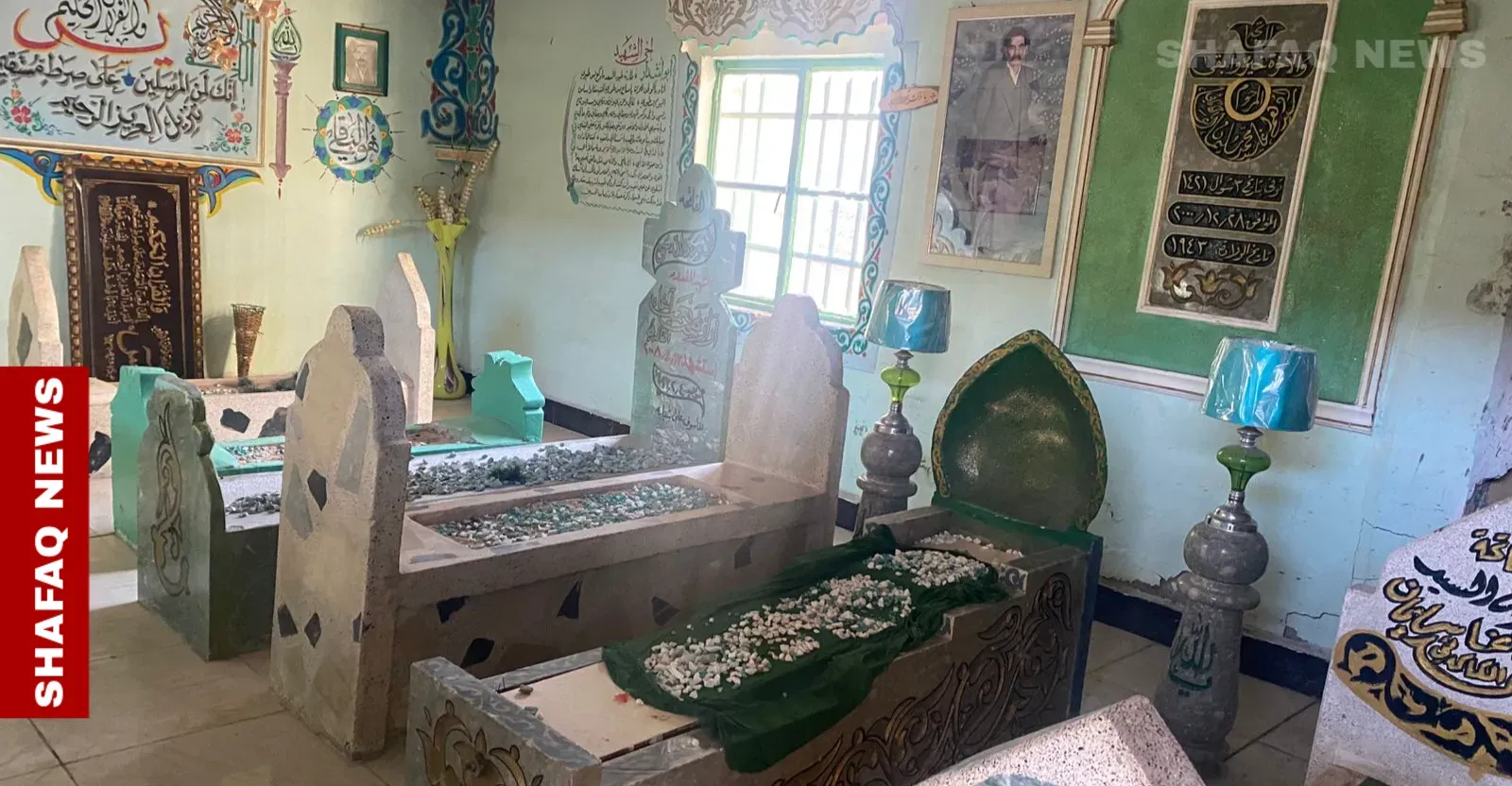
shrines include Sultan Sahak in Hawraman, Shah Ibrahim in Baghdad, and Bawa
Mahmoud in Khanaqin, as well as other sites in the Nineveh Plains north of
Mosul and Iran.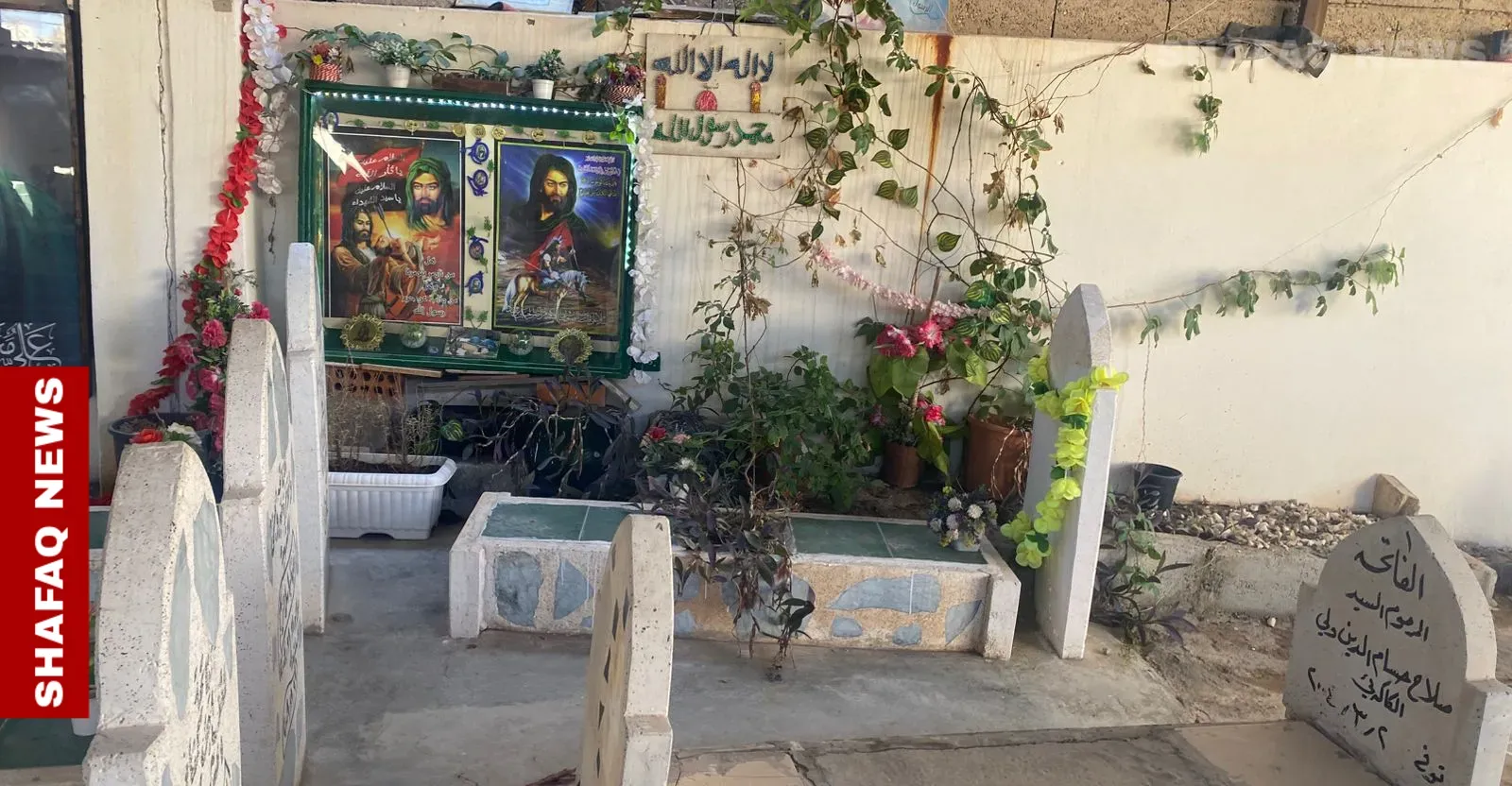
A Hidden Legacy of Persecution
Although Islam is Iraq’s official religion, the constitution also guarantees freedom of belief. Yet the Kakai faith remains unrecognized as an independent religion, and its followers are often registered as Muslims under Iraq’s Personal Status Law. This lack of legal recognition has exposed them to assimilation pressures and limited access to education aligned with their own beliefs.
Throughout the 20th century, Kakai communities in Kirkuk, Diyala, and Nineveh suffered demographic manipulation under Baathist Arabization campaigns. Many were forced to flee areas such as Halabja and Khanaqin, and their villages became frontlines during the Iran–Iraq War.
When ISIS seized northern Iraq in 2014,
Kakai villages coordinated with Peshmerga forces to evacuate civilians safely.
According to the European Institute for Studies on Minorities in the Near East
(EISMENA), about 2,100 Kakai families—nearly 19,000 people—were displaced, yet
none fell into the group’s hands.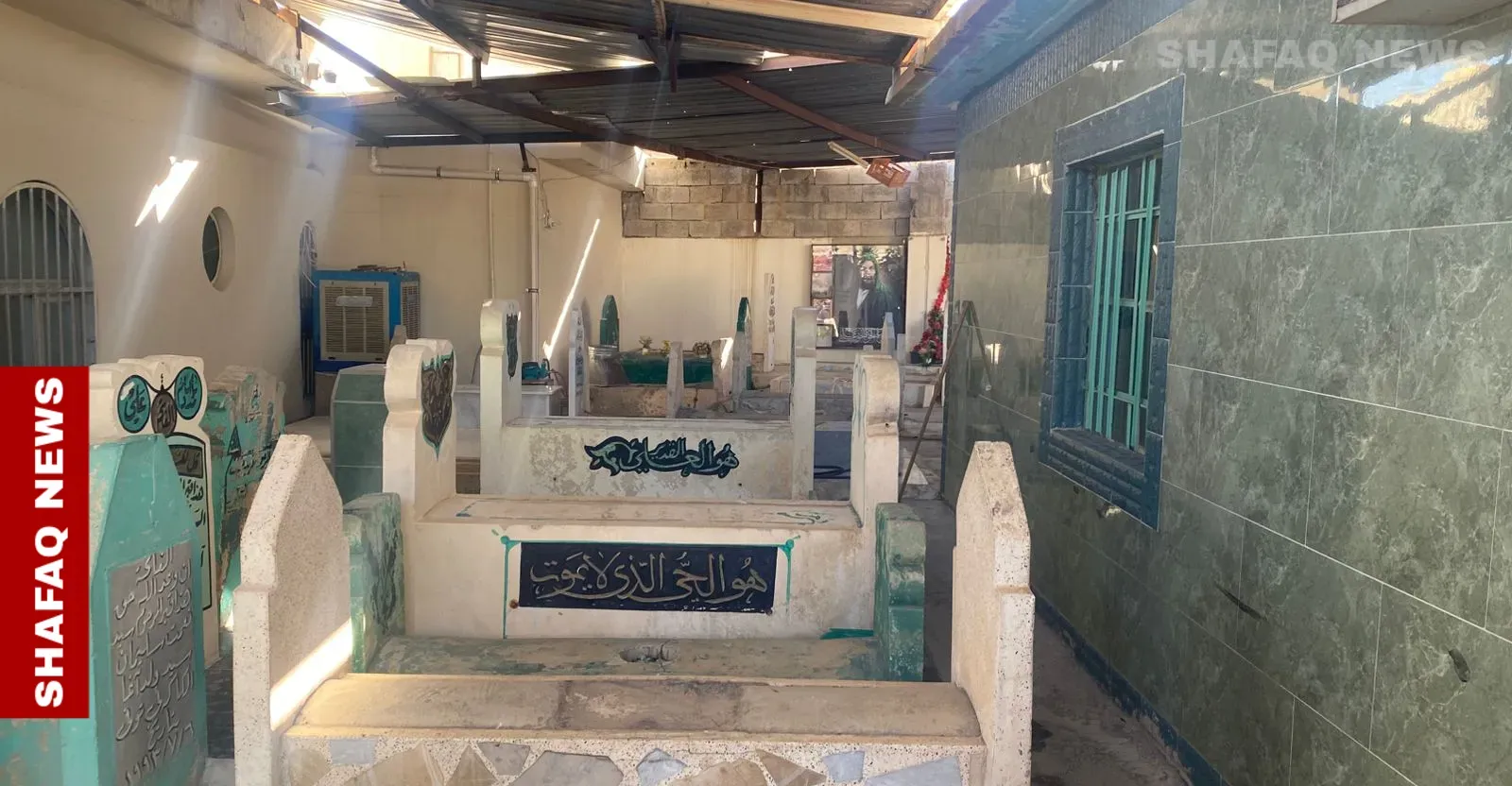
A Community Without Representation
Estimates by Minority Rights Group place Iraq’s Kakai population between 110,000 and 250,000. Despite their presence and their role in defending their areas against ISIS, the community remains without parliamentary representation.
Iraq’s electoral law reserves nine of 329 parliamentary seats for minorities—five for Christians, and one each for Yazidis, Shabaks, Sabean-Mandaeans, and Feyli Kurds—leaving the Kakais without a quota seat. In the Kurdistan Region’s 100-member parliament, only five quota seats exist for Christians and Turkmen.
Preserving Heritage in a Modern Iraq
Kakai leaders today call for official recognition of their faith and protection of their cultural rights. Their teachings emphasize love, peace, and coexistence—values that have enabled them to maintain harmony with surrounding communities despite centuries of marginalization.
As Iraq continues to rebuild and redefine its pluralistic identity, the story of the Kakais stands as a quiet testament to endurance: a faith that has neither proselytized nor vanished, sustained instead through devotion, memory, and an unbroken thread of belief.
Written and edited by Shafaq News staff.