Iraq's spending reversal: Families funnel income from food to soaring housing and bills


Shafaq News – Baghdad
Iraq’s Ministry of Planning announced on Friday that household spending on food has fallen to nearly one-third of income, down from more than 60 percent in past years.
Ministry spokesperson Abdul-Zahra al-Hindawi told Shafaq News that Iraqi families once spent the bulk of their earnings on food. “That share has now dropped to around 31–32 percent, which aligns with new priorities for daily living and diversified spending,” he said.
According to Al-Hindawi, recent government measures have helped stabilize food prices despite minor increases of 0.5 to 3 percent in certain items. He added that inflation dipped by 0.1 percent in July compared to the previous month, a modest but significant improvement under current conditions.
Economic researcher Ali Abdullah noted that while the decline in food spending marks a shift in consumption patterns, it does not necessarily signal improved purchasing power.
“When 60 percent of income went to food, it reflected fragile living conditions. Today, even though the share has fallen to around 30 percent, the rising costs of housing, energy, and transport have kept the overall burden on families high,” he told Shafaq News.
Baghdad resident Wafaa al-Rubaie agreed that living costs have grown heavier. “In the past, most of our money went to food. Now rent and bills consume the biggest share,” she said. “Food prices are relatively stable, but housing, electricity, and internet take away most of our salaries. Even entertainment has become a luxury.”
She explained that her household earns about 1.5 million dinars ($1,150) a month, yet rent alone costs over 700,000 dinars. Utilities for electricity, water, and internet approach 300,000 dinars, leaving little for food or other needs.
Basic utilities for a small apartment average 150,000 dinars ($103) per month, rising sharply in summer with air conditioning usage. Citizens have urged the government to subsidize electricity and fuel to ease household pressure.
Fuel and transport add further strain: a liter of regular gasoline costs 450 dinars ($0.40), while monthly public transport expenses per person average 40,000–50,000 dinars ($30–40).
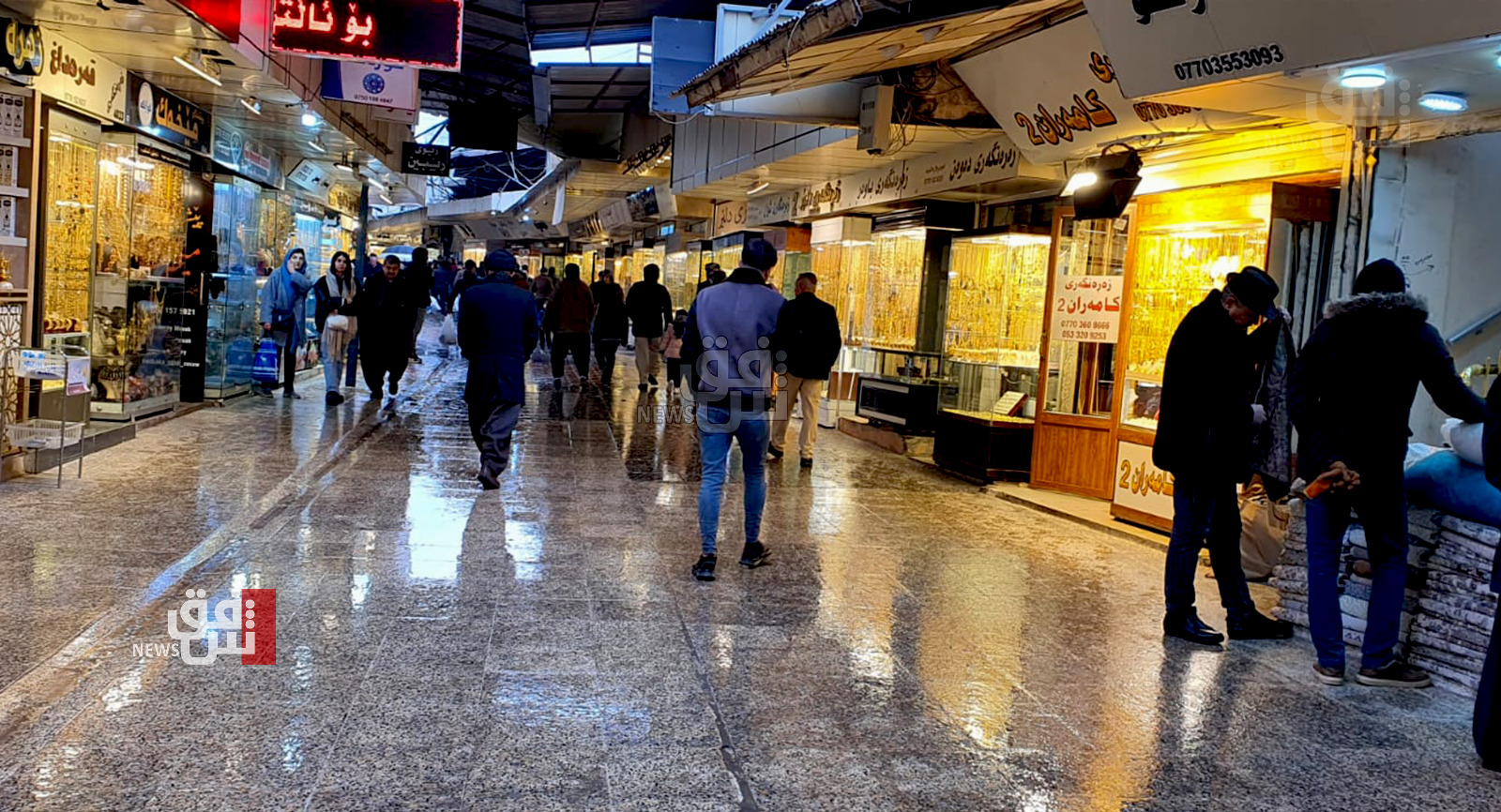
Living costs also vary widely across the country. Baghdad is the most expensive city, followed by Erbil and Kirkuk, while Nineveh remains among the least costly.
Analysts stress that stability in food prices is not enough to secure economic relief. Broader fiscal reforms and targeted support for low-income families are essential.
“Iraq needs deeper financial policy reforms and direct support for vulnerable groups so that citizens can feel a tangible improvement,” Abdullah said.
For her part, Rubaie concluded, “We’re not asking for luxury. We just want to live with dignity, without seeing most of our income drained by rent and bills.”
Written and edited by Shafaq News staff.