A centuries-old livelihood at risk: Kurdistan's traditional salt trade nears collapse


Shafaq News – Garmian
Salt production in the Garmian plains of Kurdistan Region has dropped to less than a third of previous levels, threatening a trade that has sustained local communities for centuries.
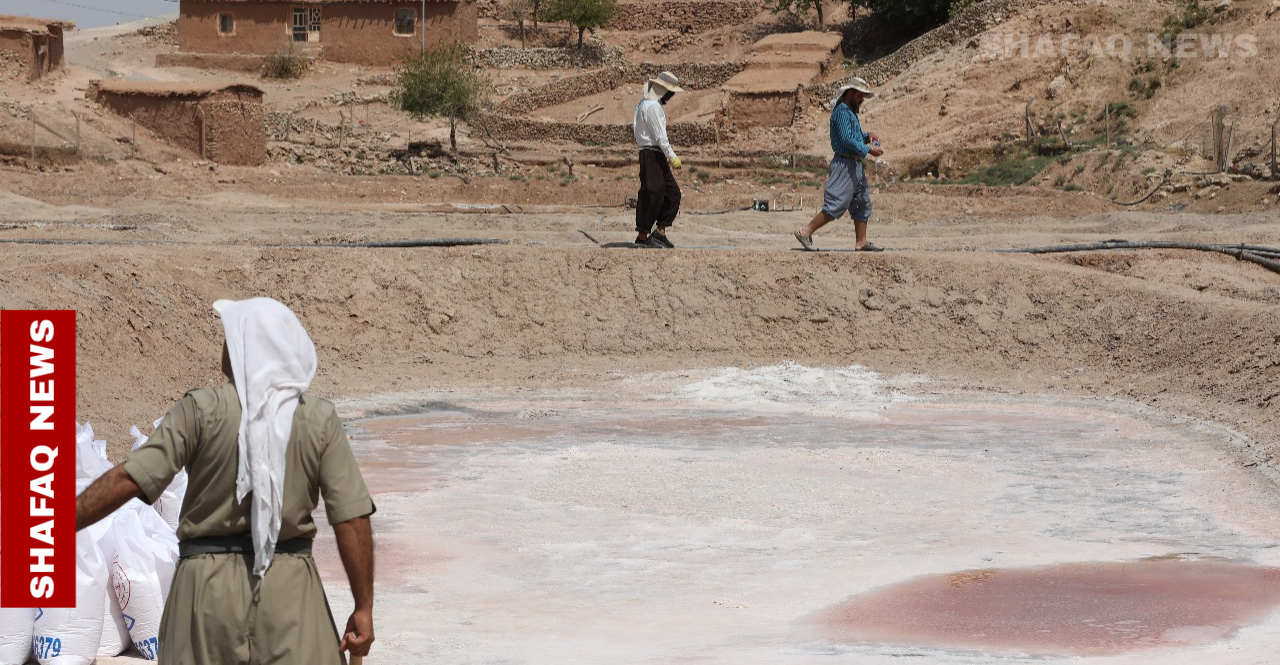
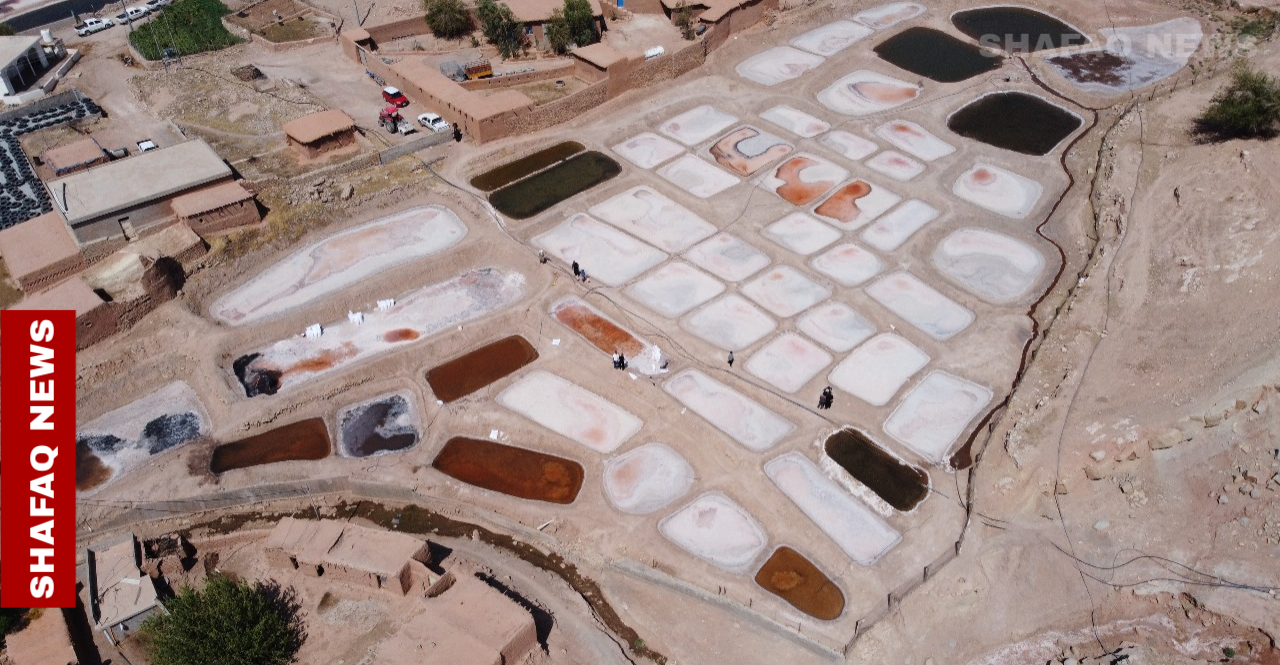
The practice, based on the natural evaporation of rainwater in wide earthen ponds, stretches back hundreds of years. Valued for its quality, the Region’s salt is used in food, livestock, and traditional industries.
But with output declining and infrastructure weak, locals warn that the future of one of their oldest livelihoods is at risk. Once yielding as much as 900 tons a year, the salt ponds in Garmian — part of the Jamjamal district in Al-Sulaymaniyah province — now produce about 250 tons.
This decline followed several earthquakes in 2017 that
allowed fresh water to seep into the brine ponds, disrupting the evaporation
process.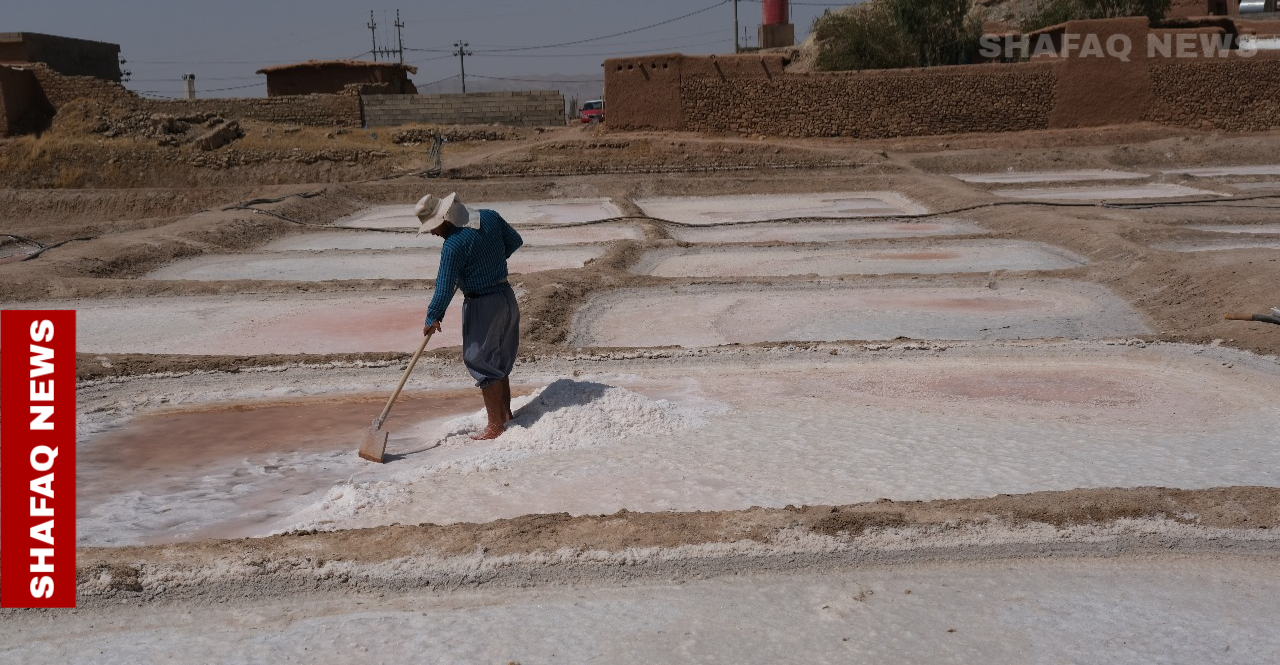
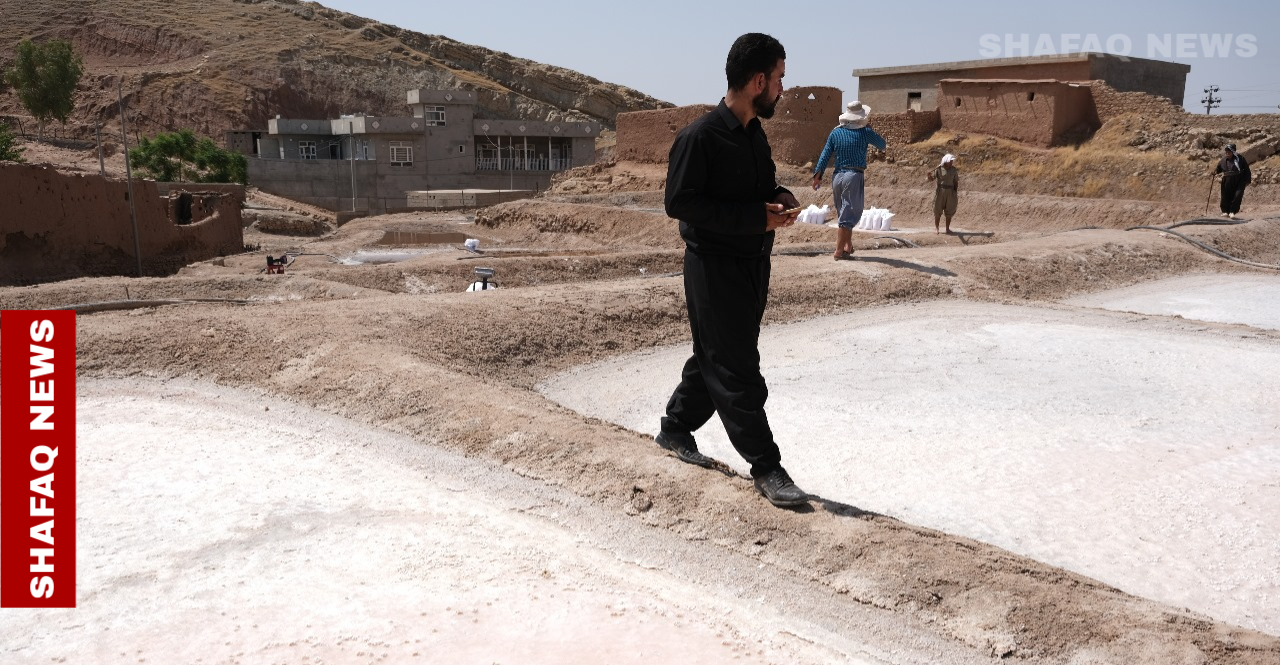
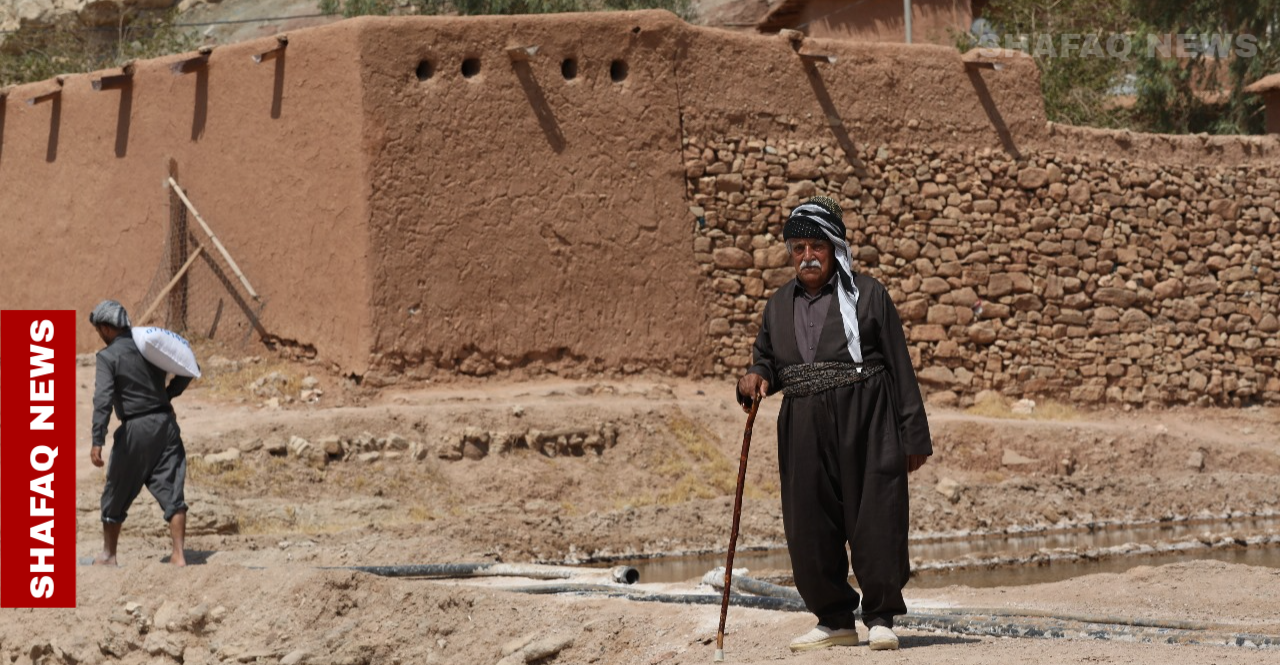
Standing by a salt pond, 50-year-old Bishkot Saadon Nameq described how families continue to work the fields despite the setbacks. “The process begins after the rainy season, when water gathers in the ponds, and under the sun’s heat, it gradually turns into layers of salt.”
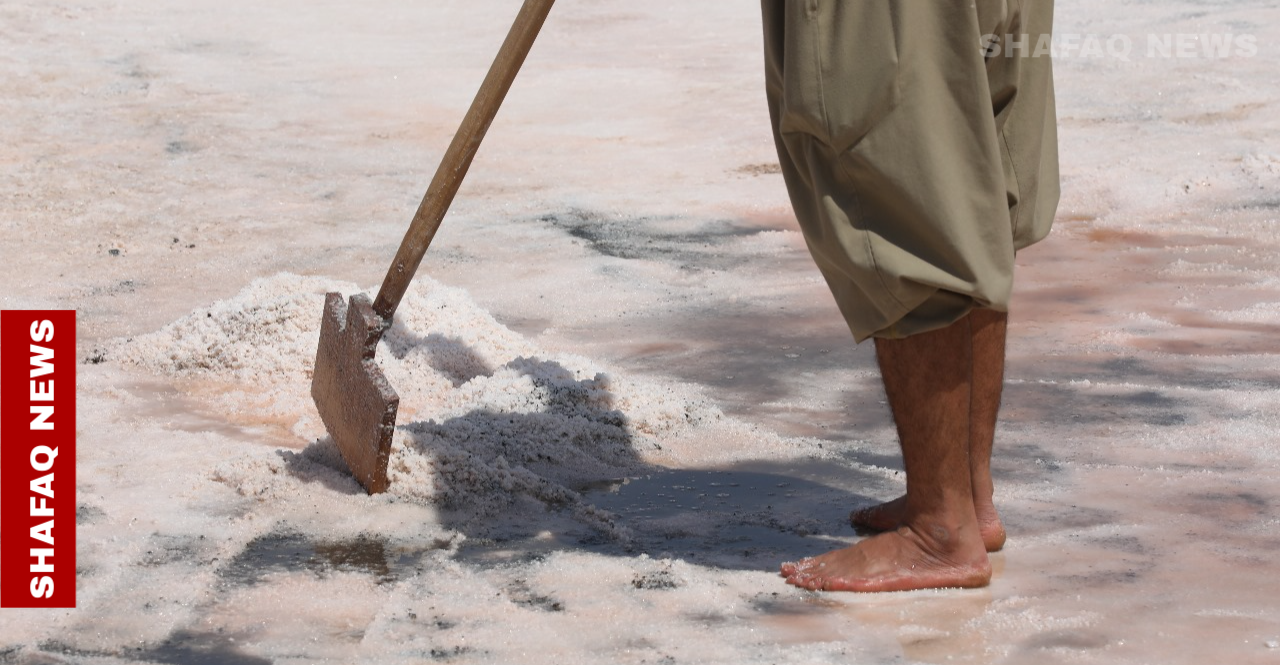
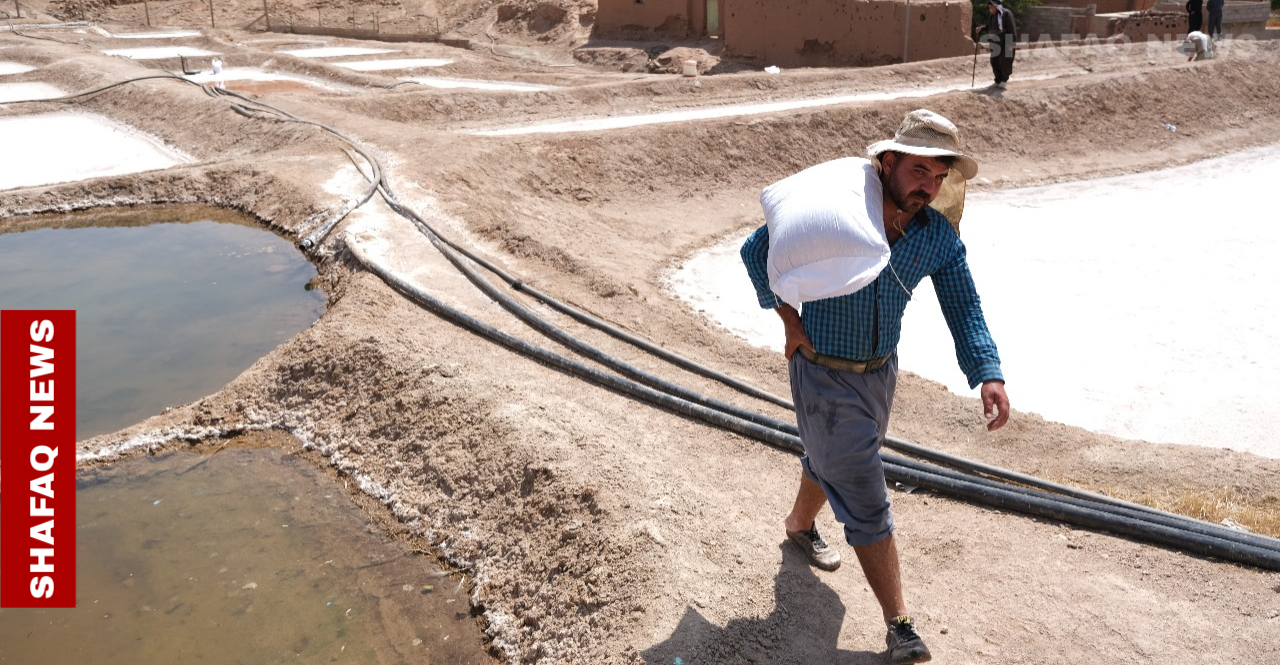
He gestured toward the basic tools they rely on: an iron spade and hand-woven baskets. “Every May, we clean the salt of impurities left by the rain, crush and refine it, then refill the ponds with measured amounts of water,’’ he added, noting that by late June or early July, they harvest two types of salt: coarse, which floats on the surface, and fine, intended for human consumption.
Nameq also stressed that modern equipment is needed to separate the water from the salt, warning that without government support the situation will not improve.
The pace of work has slowed as well, with storage that
previously filled quickly now taking weeks in the summer heat to produce
amounts that fall short of demand.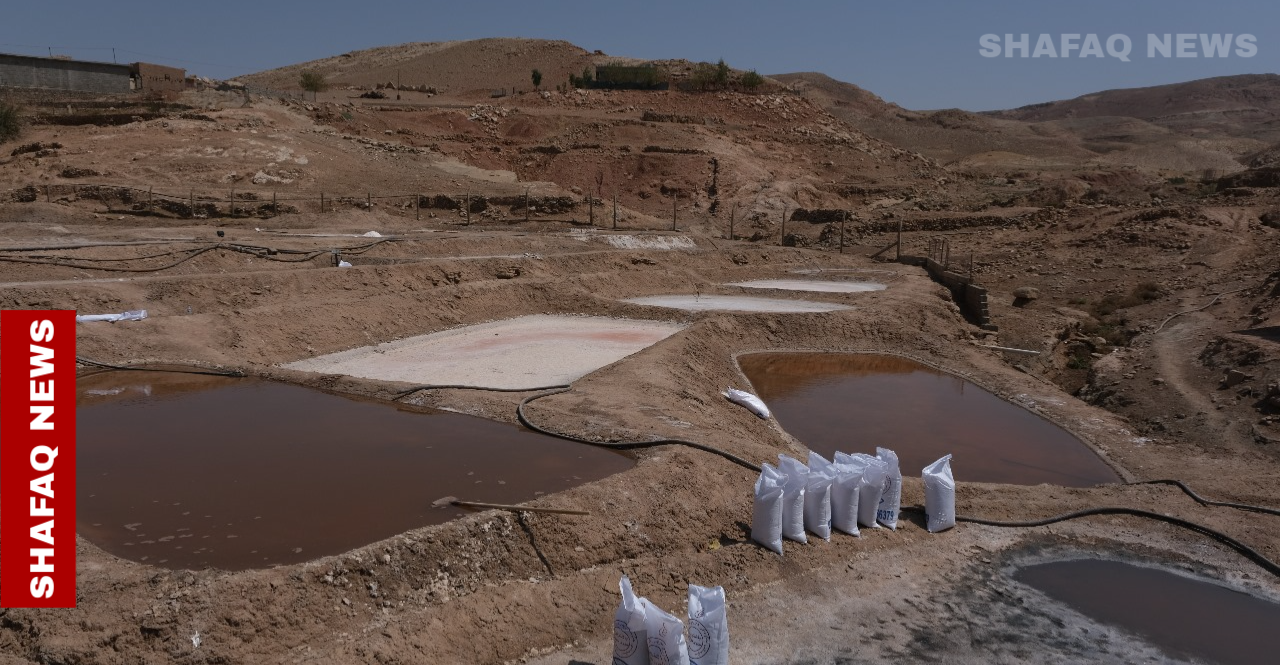
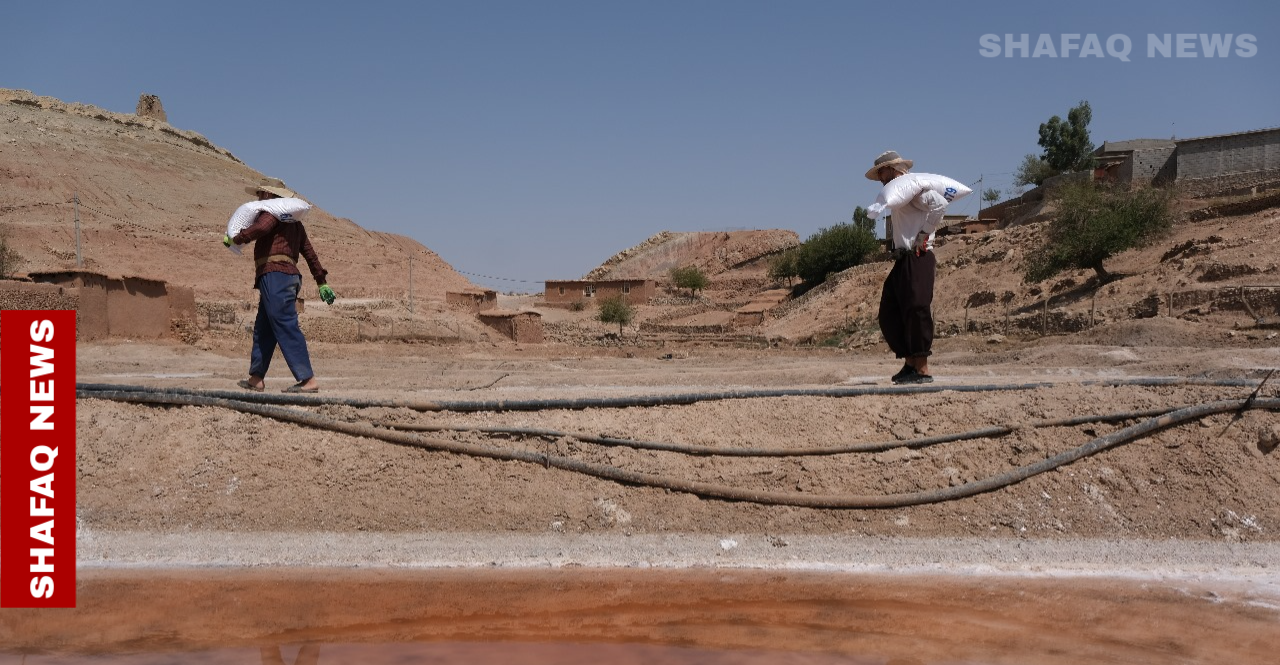
For nearby villages, the downturn has been equally disruptive. More than 200 families depend on the salt trade, but poor road access makes reaching the ponds difficult.
“The salt is produced in two types: one for human consumption and one for livestock. Prices range from 15,000 to 20,000 dinars per 20-kilogram bag (roughly $10 to $13),” explained Mahmoud Shaswar, a villager from the area.