Iraqi Parliament meets on non-oil revenues amid tariff concerns


Shafaq News– Baghdad
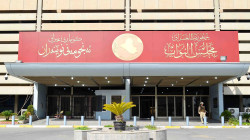
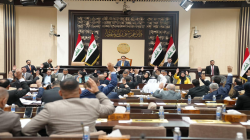
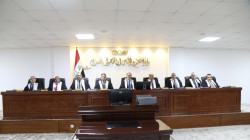
Iraq’s parliament convened on Saturday to review non-oil revenues set out in the federal budget, as debate intensifies over taxes and their effect on trade.
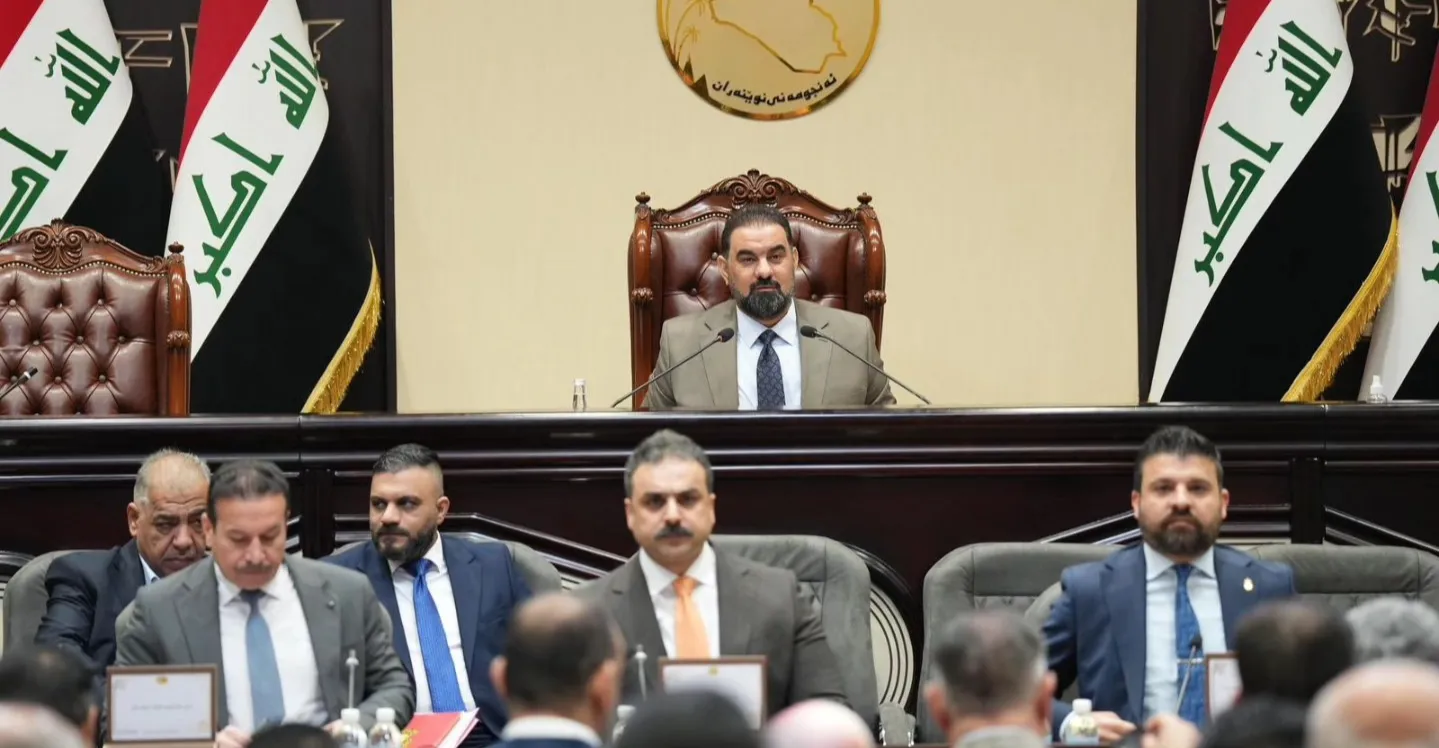
Shafaq News correspondent reported that the session opened under newly elected Speaker Haibet Al-Halbousi after quorum was reached with 209 of 329 lawmakers in attendance.
MP Ibtisam Al-Hilali of the State of Law bloc told Shafaq News that lawmakers are scrutinizing revenue from taxes, fees, and collections, with plans to question the heads of the Border Ports Authority, the General Commission for Taxes, and the General Authority of Customs on border management, tax enforcement, and the rollout of the ASYCUDA digital customs system.
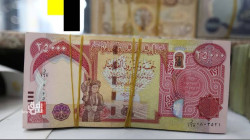
The review, she added, will assess the system’s effect on the dollar exchange rate and food prices, alongside a cabinet decision imposing new levies on vehicles, goods, services, electronics, medicines, and other imports, noting that duties reaching 30% have already slowed market activity.
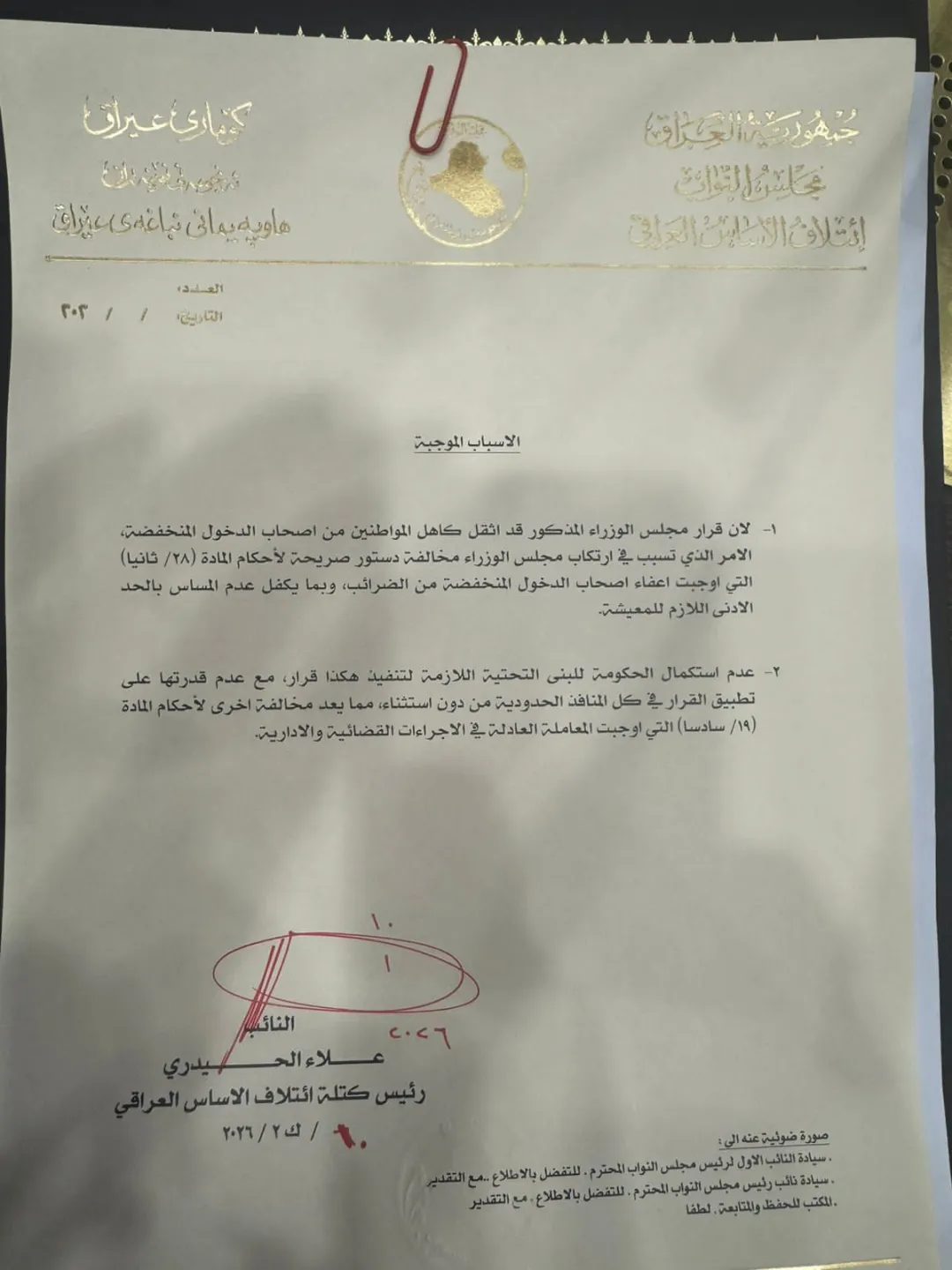
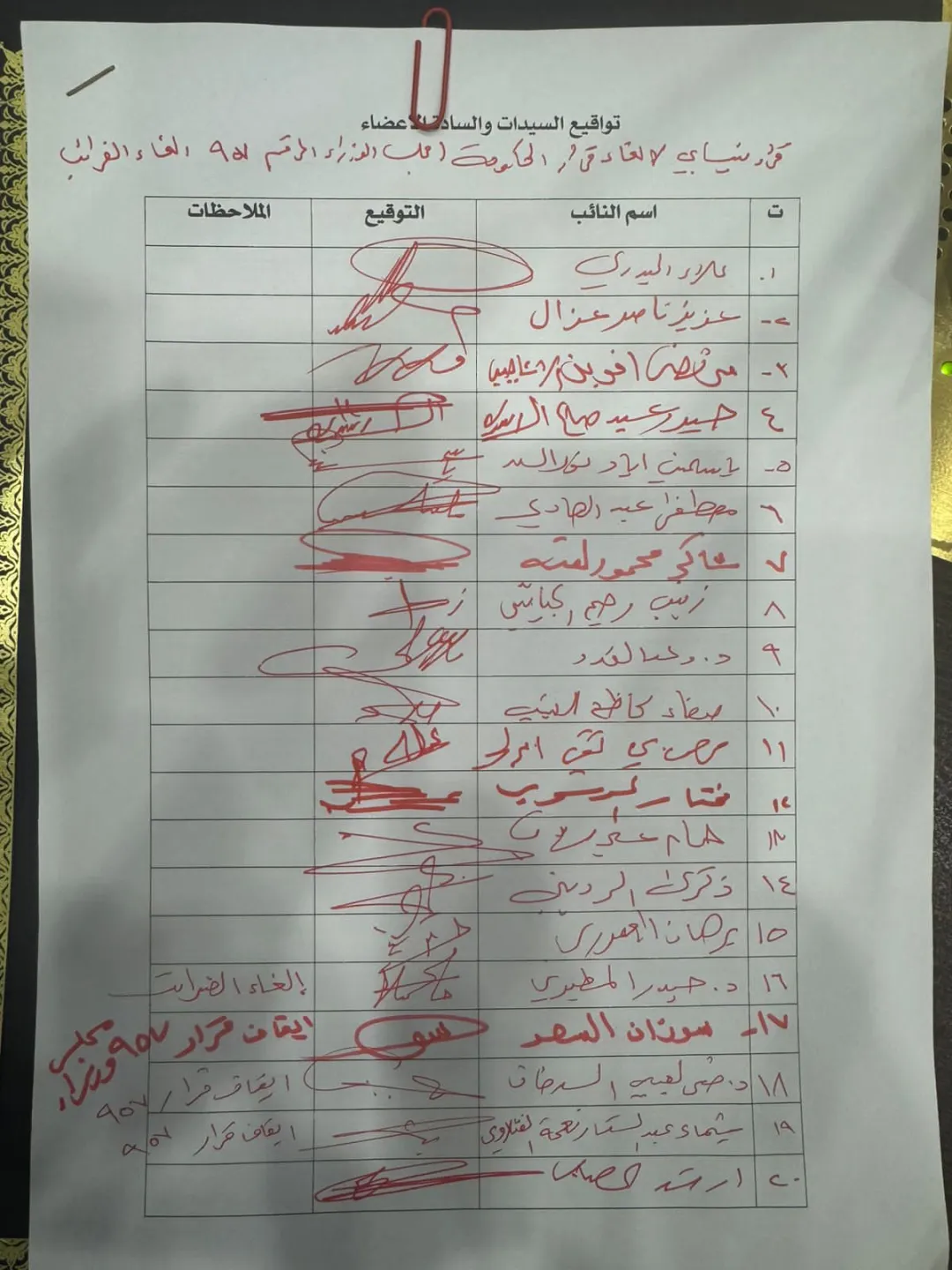
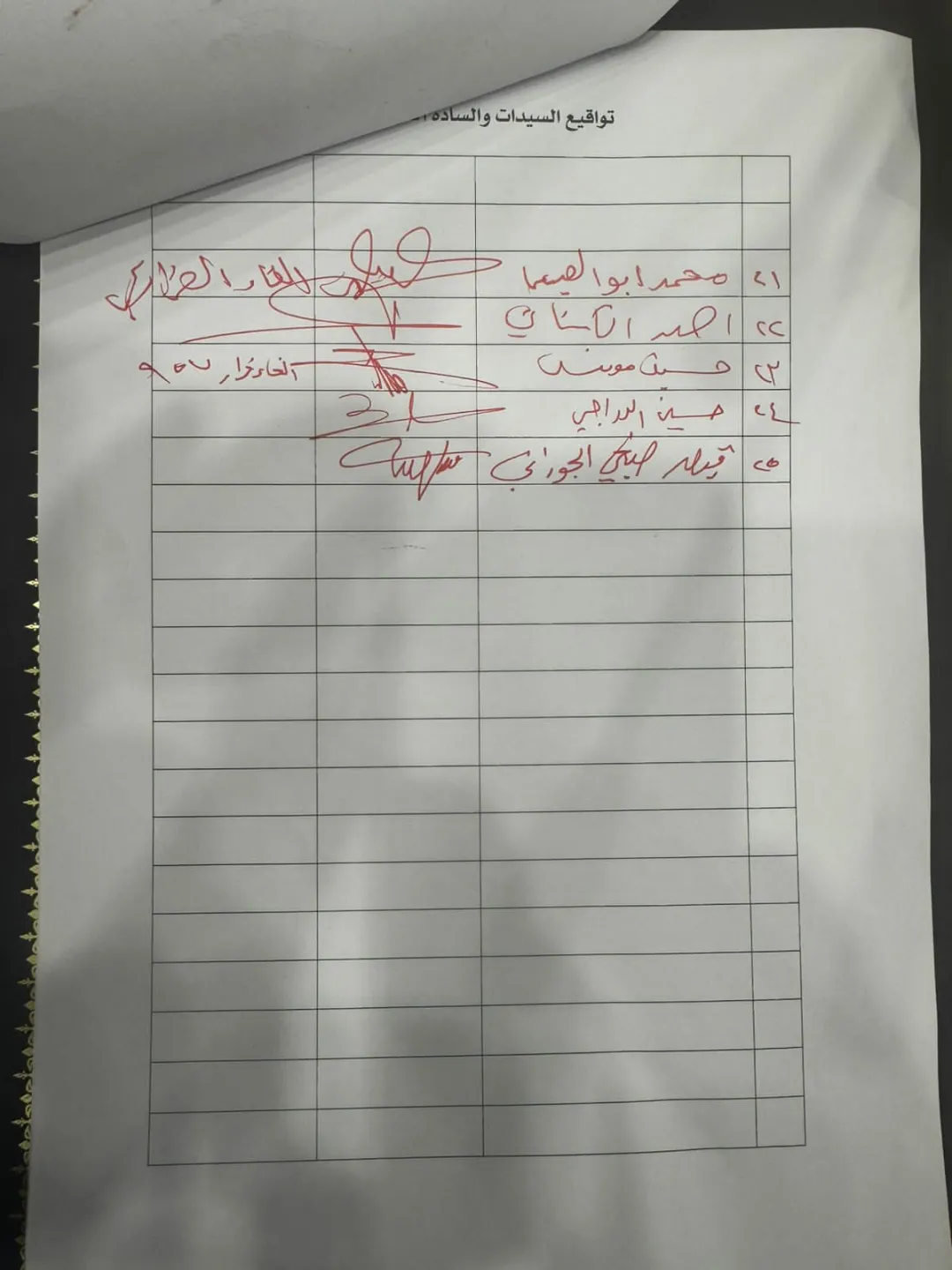
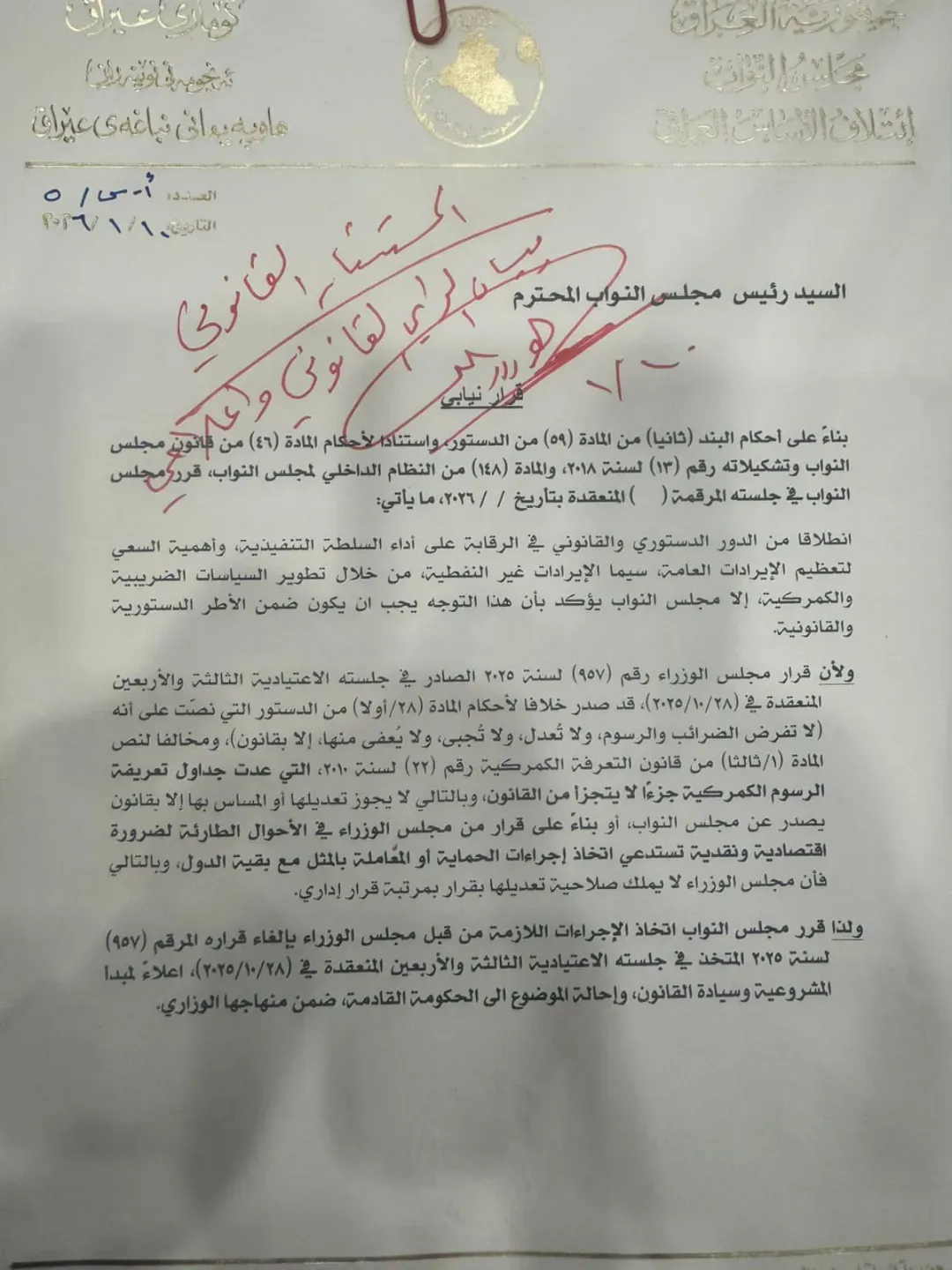
According to an official document, lawmakers have also begun gathering signatures to overturn the caretaker cabinet’s Decision No. 97 of 2025 on new tax measures, arguing it violates Article 28 of the constitution and the Customs Tariff Law by imposing or altering duties without parliamentary legislation, rendering the move legally invalid.
The debate follows steps by the caretaker government of Prime Minister Mohammed Shia Al-Sudani to introduce a 15% customs tariff on luxury goods starting in early 2026 and tighten standards for imported vehicles, measures that have raised prices and drawn public criticism.
Trade through the Trebil border crossing in western Al-Anbar province with Jordan has sharply declined after the Iraqi tariff increase. Speaking to Shafaq News, Rutba district mayor Imad Al-Rishawi previously said duties rose by up to 15%, cutting daily truck traffic from more than 200 to about 10. Many traders have rerouted shipments through Kurdistan Region crossings, where the increases do not apply.
Economist Manar Al-Obaidi, head of the Iraq Future Foundation for Economic Studies and Consultations, warned that the new import rules could drive inflation higher. He also pointed to the tax deposit system introduced through ASYCUDA at entry points, saying it could further strain markets and reduce purchasing power.
Read more: Iraq’s delicate maneuver: Boosting revenue without crushing consumer power