Syria unveils dual-track plan to restore power grid by 2030


Shafaq News – Damascus
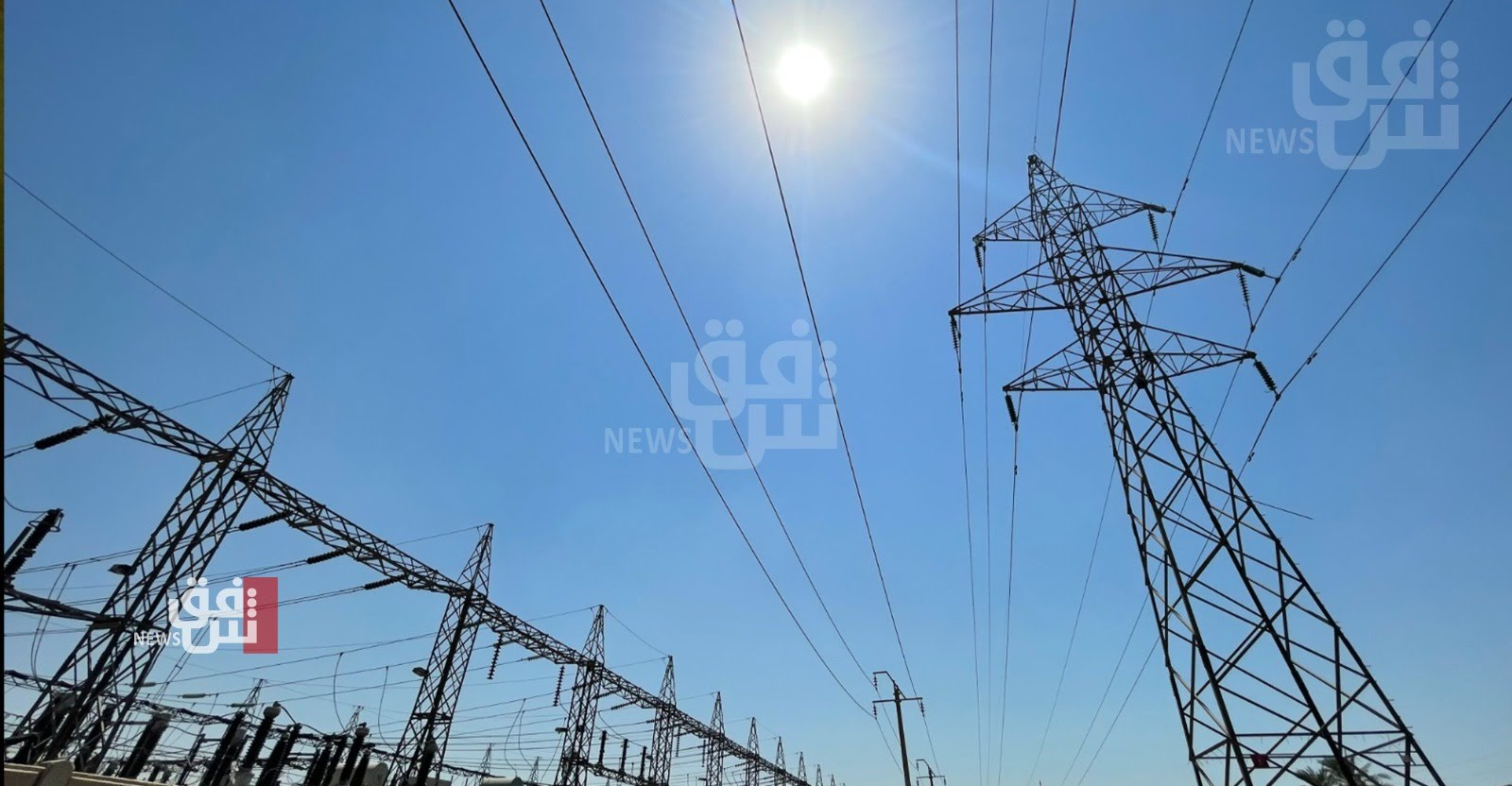
Syria’s electricity production covers less than one-third of national demand, leaving most areas with only four to five hours of power a day, a senior official warned on Monday.
Khaled Abu Di, General Director of public Establishment for Electricity Transmission and Distribution, told Shafaq News that the country needs 6,500 megawatts but generates just 2,000 due to technical breakdowns, material shortages, and funding gaps.
Qatari firm UCC, he said, is backing the rehabilitation of four power plants totaling 4,000 megawatts and solar projects adding 1,000 megawatts, alongside a $146 million World Bank grant for substations and transmission lines, and support from the Red Cross, UNDP, Saudi Arabia, and Jordan for distribution upgrades.
Abu Di outlined a dual-track recovery plan involving major generation and solar investments led by Qatari, Turkish, and US companies, as well as emergency repairs by Syrian teams at facilities in Jandar, Mhardeh, and Banias.
Syria has also signed deals with Saudi Arabia’s ACWA Power for solar capacity ranging from 600 to 1,000 megawatts and wind energy projects up to 1,500 megawatts, he added.
The roadmap, the official noted, combines urgent fixes with long-term grid modernization, with international support—particularly from the World Bank—key to restoring power in hard-hit areas like Aleppo, Idlib, and the Damascus suburbs.
According to Abu Di, a revised electricity tariff is under review to balance costs and access, while nationwide supply hinges on expanded generation, stable fuel inputs, and full grid rehabilitation by 2030.