Iraq’s post-election roadmap: From ballot to government formation



Shafaq News – Baghdad
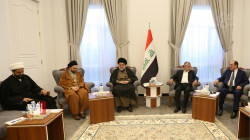
Following the conclusion of Iraq’s parliamentary elections, a constitutionally defined process begins to move the country from ballot counting to government formation — a sequence that can take weeks or even months, depending on political negotiations among the major blocs.
Step 1: Ratification of Results
After the votes are counted, the Federal Supreme Court ratifies the final results — a mandatory step before initiating the formation of a new government. This certification officially ends the electoral phase and marks the start of institutional procedures.
Step 2: Parliament Convenes (Within 15 Days)
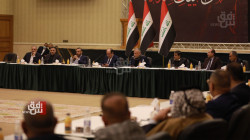
Within 15 days of the court’s ratification, Iraq’s newly elected Council of Representatives must hold its first session. The meeting serves as an early test of alliances, as political blocs seek to form the largest coalition — a decisive factor in selecting the next prime minister.
Step 3: Election of the Speaker
In its first session, parliament elects the Speaker by an absolute majority vote. The position traditionally goes to a Sunni Arab leader, in line with Iraq’s power-sharing understanding that allocates top posts among Shiites, Sunnis, and Kurds.
Step 4: Election of the President
Lawmakers then elect the President of the Republic, a role historically held by a Kurdish figure. The election requires a two-thirds majority, often prompting extended negotiations between the Kurdistan Democratic Party (KDP) and the Patriotic Union of Kurdistan (PUK) over their nominees.
Step 5: Nomination of the Prime Minister
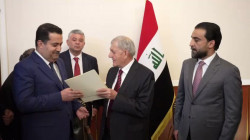
Within 15 days of the president’s election, the head of state nominates a prime minister-designate, traditionally from the Shiite community and typically chosen by the largest parliamentary bloc. The nominee begins consultations to form a cabinet that reflects Iraq’s political diversity.
Step 6: Cabinet Formation and Confidence Vote
The prime minister-designate has 30 days to present a cabinet lineup to parliament for approval. Each minister must win a separate vote of confidence, completing the transition to a new government. Once endorsed, the cabinet formally assumes executive authority.
A Complex Path
Although the Constitution provides clear timelines, political bargaining frequently extends the process. Disputes over coalition size, ministerial quotas, and key portfolios often delay agreement.
Written and edited by Shafaq News staff.