Protest families prepare lawsuits after Al-Ameri remarks


Shafaq News- Baghdad
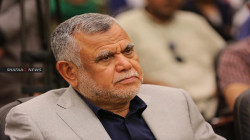
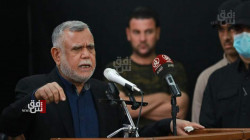
Families of Iraqis killed during the country's 2019 Tishreen protests are gathering documents to support lawsuits in Iraqi courts, relatives told Shafaq News, after Hadi al-Ameri said the “resistance*” had confronted the “Tishreen sedition.”
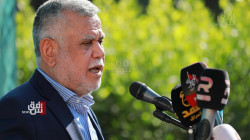
Al-Ameri heads the Badr Organization, a major Shia political movement with an armed wing affiliated with the Popular Mobilization Forces (PMF). In his remarks, he said the “resistance” had “stood bravely against the sedition of Tishreen and preserved the state and the political system.”
Several relatives said they read the comment as identifying who was responsible for their sons' deaths. Umm Adel, 55, said her son was killed in the first days of the protests and that she now intends to file a case. "His statement showed us who killed our children, and I will go to court," she told Shafaq News, adding that the families expected little from the courts but wanted a ruling on who was responsible.
Abu Mithaq al-Masari, a political researcher with ties to the Badr Organization, questioned whether the lawsuits would be admissible, arguing that the families “lacked the direct legal relationship with al-Ameri required to bring such a case.” Ultimately, he noted, the courts would decide whether the lawsuits could proceed.
Legal expert Muhammad Jumaa said he did not consider al-Ameri's remarks an explicit confession that could by itself establish criminal responsibility. “The law does not act on probabilities, only on explicit confessions,” Jumaa said. He added that the remarks were open to more than one interpretation, although authorities could open an investigation to determine what al-Ameri meant and allow him to respond.
Abu Yasser, 60, whose son was killed during the protests, said he did not view the planned lawsuits as an effective remedy, arguing that al-Ameri's comment “was not a slip of the tongue” and may have been intended to divert attention from fuel shortages, water and air pollution, and rising prices.
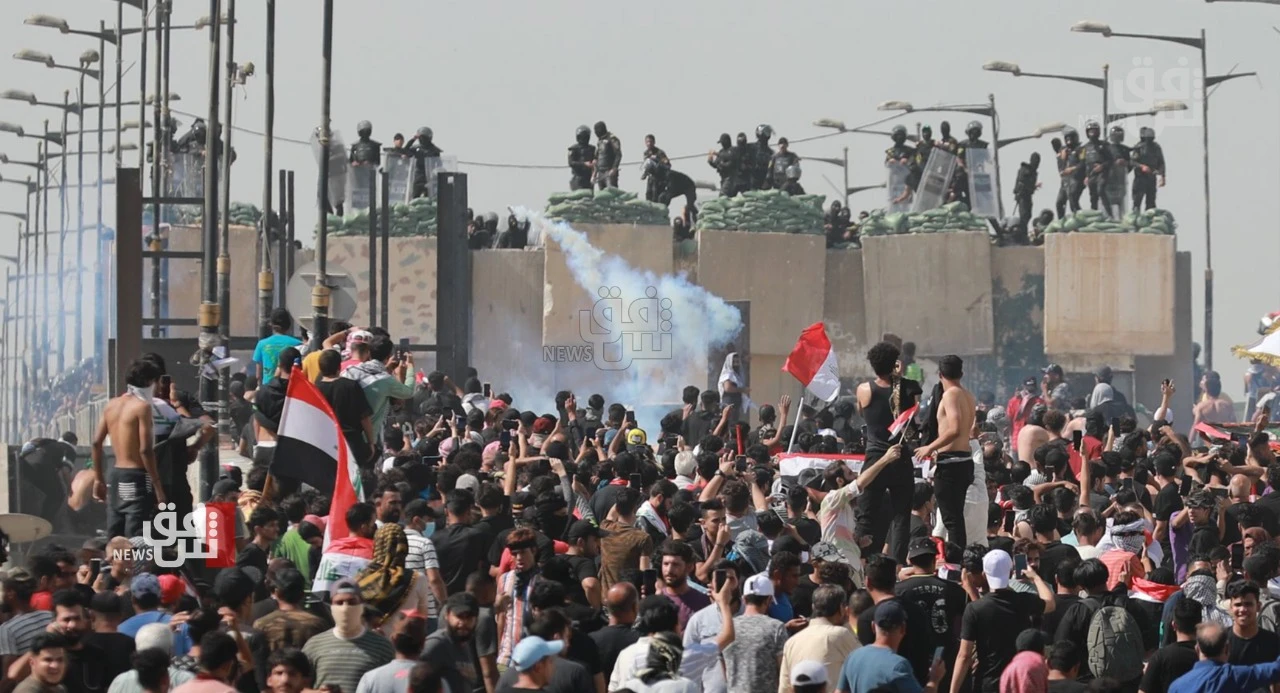
The protests, known in Iraq as Tishreen after the Arabic word for October, began in Baghdad on October 1, 2019, and spread to central and southern provinces over the following months. The unrest forced the resignation of then-Prime Minister Adel Abdul-Mahdi and continued until Mustafa al-Kadhimi took office as prime minister.
Amnesty International has said successive governments formed numerous investigative committees into abuses during Tishreen and its aftermath without making their findings public. The organization said at least 2,700 criminal cases had been filed, but few people had been brought to trial and “next to no justice has been delivered.”
The relatives affirmed that they would continue compiling documents and pursue legal action despite doubts that the cases would deliver accountability.
Read more: Al-Ameri remarks revive debate over Iraq's Tishreen killings
*In Iraq, “the resistance” is a political term commonly used by Iran-aligned armed factions to describe themselves and allied groups that present their activities as resistance to US and other foreign military presence. The term does not refer to all groups within the Popular Mobilization Forces (PMF).