Al-Abadi to Shafaq News: These are my security and electoral concerns


Shafaq News – Baghdad
Former Iraqi Prime Minister Haider al-Abadi warned, on Wednesday, of potential manipulation in the lead-up to Iraq’s upcoming parliamentary elections, scheduled for November 11, 2025.
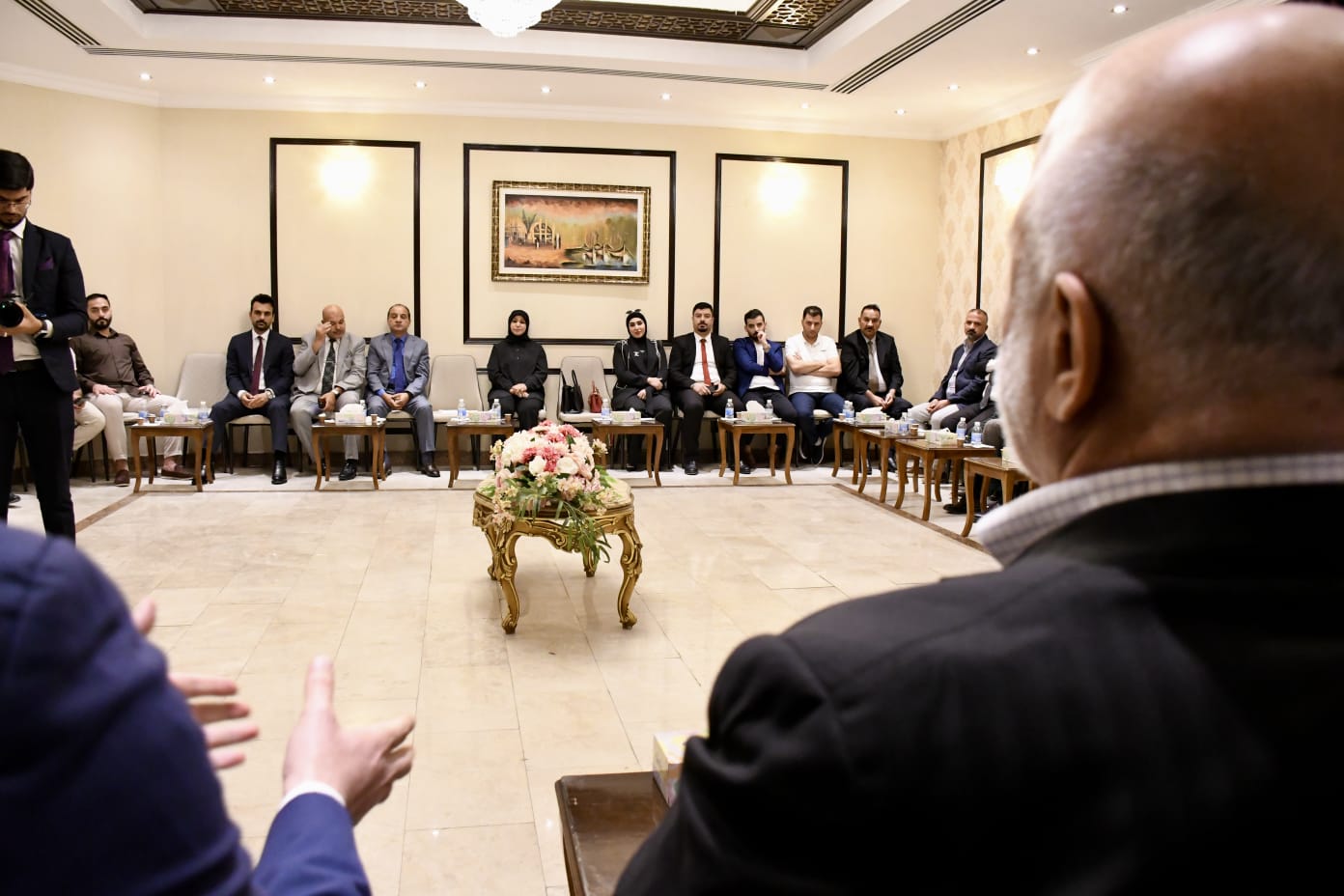
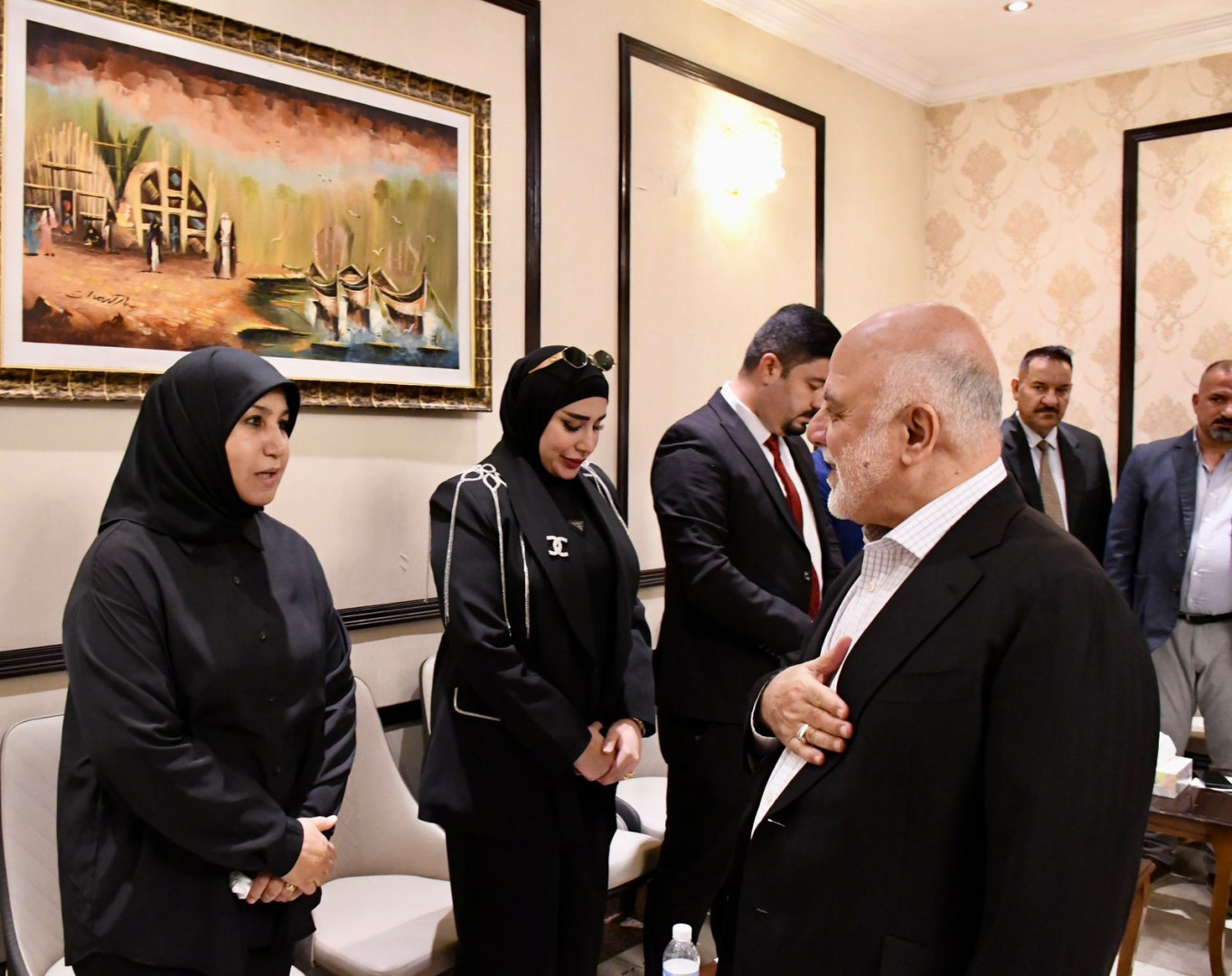
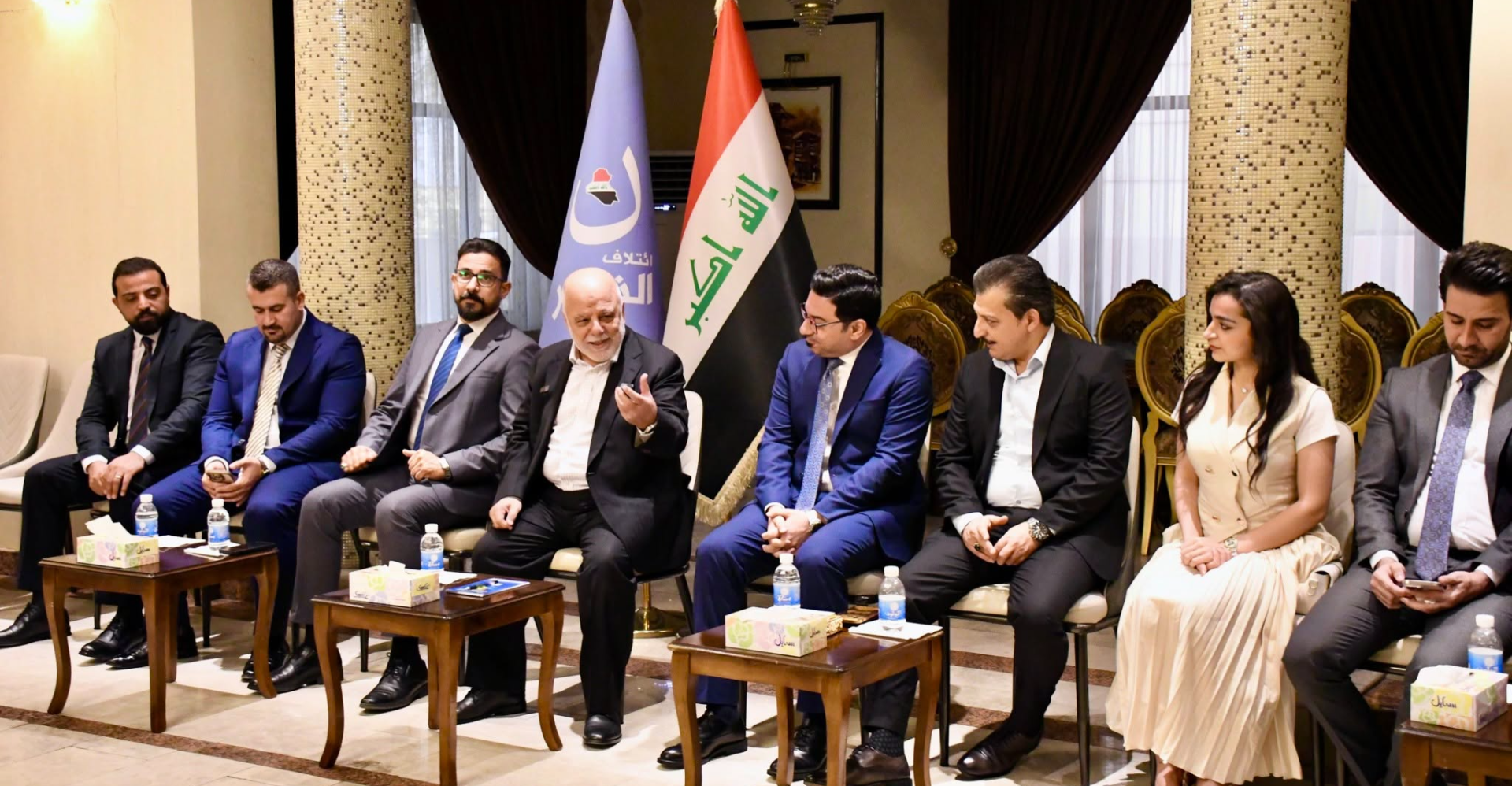
Speaking to Shafaq News on the sidelines of a meeting with political analysts and journalists at his Baghdad office, al-Abadi said the elections would proceed as scheduled, but cautioned that “some preparations may be subject to interference,” suggesting potential risks to the integrity of the electoral process.
Addressing the stance of the Patriotic Shiite Movement (PSM) leader Muqtadaal-Sadr, al-Abadi noted that “all Coordination Framework factions are eager for his participation, but he remains adamant about boycotting.” He added that al-Sadr’s bloc had inquired with the electoral commission about extending the registration deadline, “but the deadline has passed.”
Al-Abadi, who heads al-Nasr (Victory) Coalition, has himself opted out of the upcoming elections, aligning with al-Sadr’s earlier decision to withdraw from the electoral process—moves that may impact voter turnout and reshape Iraq’s political landscape.
On the unresolved disputes between Baghdad and Erbil, al-Abadi expressed concern that the Kurdistan Region’s salary crisis could return. “The crisis will persist unless the issue is fundamentally resolved.”
He also noted that while the federal government has disbursed salaries for two months, the Kurdistan Regional Government’s (KRG) failure to remit its oil and non-oil revenues to Baghdad could reignite the crisis at any moment. “Unless financial agreements are fully implemented, the issue could resurface.”
Turning to Iraq’s water crisis, al-Abadi called for a “fair and responsible” policy, emphasizing that Iraq currently holds sufficient water reserves but needs sound management to ensure sustainability.
“Equitable distribution and modern agricultural and irrigation techniques can shield the country from any looming water crisis,” he stated, citing international studies warning that up to 88% of Turkish territory could face desertification in the coming two decades.
He underscored the importance of cultivating a culture of conservation: “We need a water strategy that obligates citizens to use resources wisely.”
Regionally, al-Abadi warned that the conflict between Iran and Israel remains unresolved and could resume at any moment. “If the confrontation is direct, Iraq is not in danger,” he said, alluding to concerns that proxy factions loyal to Tehran across Iraq, Lebanon, and Yemen could entangle Iraq in a wider conflict.
He identified Syria as a more immediate security concern for Iraq, warning that developments there, particularly in the southern province of Suwayda, carry a heightened risk. “What’s happening in Syria is more dangerous for Iraq than the Iran-Israel war due to the potential resurgence of terrorism.”
Referring to recent clashes in Suwayda, a predominantly Druze region, al-Abadi described reports of some Druze factions aligning with Israel as “serious and requiring vigilance.”