Podcast Icon Podcasts
Miishe Addy: From Silicon Valley to Accra

Miishe Addy: From Silicon Valley to Accra

Miishe Addy started her first company in California’s Silicon Valley followed by another business in Accra, Ghana. Now, she runs one of Africa’s fastest-growing logistics tech firms.

She describes how she’s tackling the hidden costs of African trade, and what she’s learned as a female founder building companies in two continents.

If you'd like to get in touch with the programme, our email address is [email protected]

Presenter: Sam Fenwick Producers: Ahmed Adan and Niamh McDermott

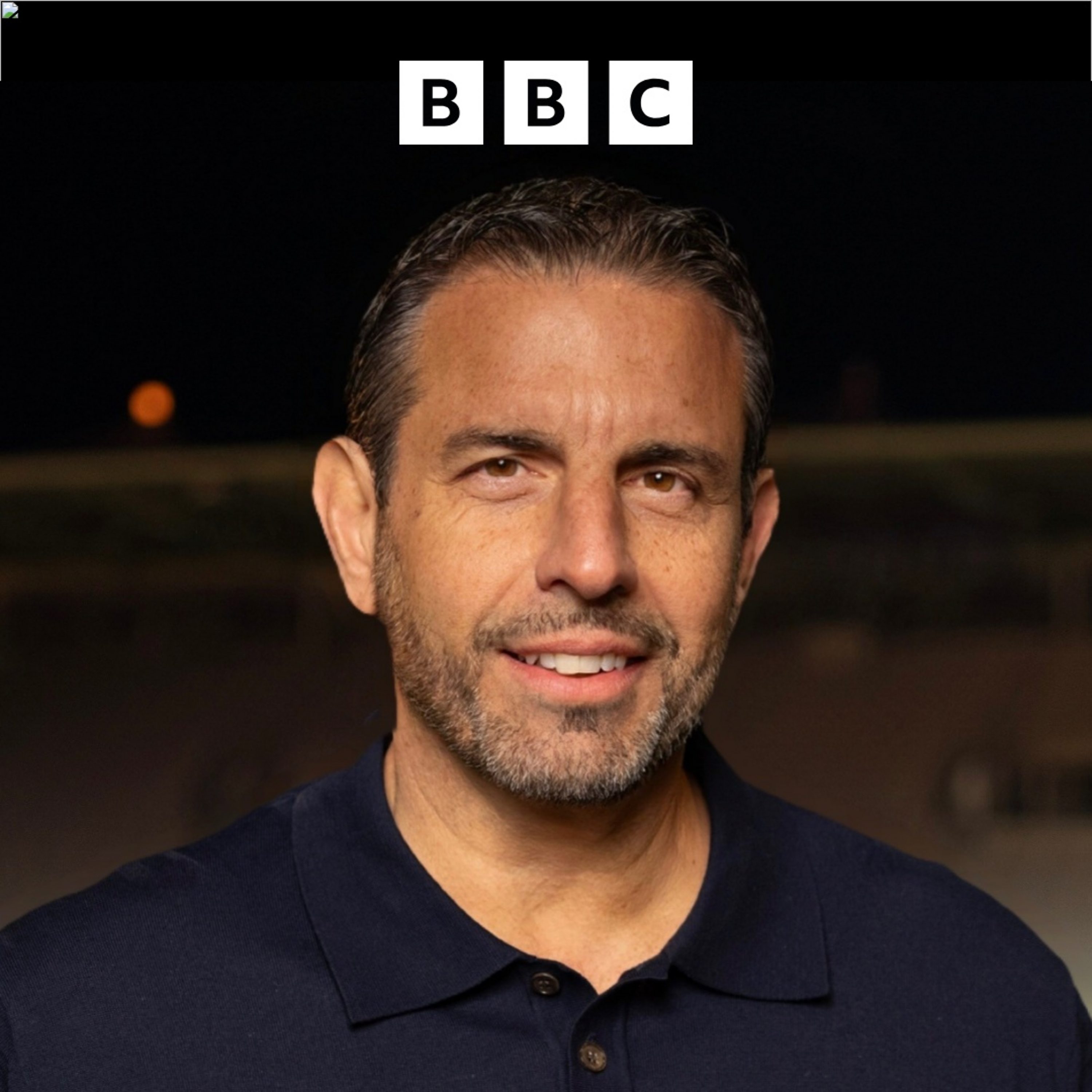
(Picture: Miishe Addy. Credit: Jetstream)

The making of a World Cup

The making of a World Cup

Whether you call it football or soccer, next summer, the US, Mexico and Canada will host the FIFA World Cup. It’s the first time three countries have organised the tournament.

A record 48 teams will compete across 16 host cities, with millions attending games across North America and billions watching at home.

But how much does it cost to host a World Cup? What does it take for a city to welcome hundreds of thousands of fans? And does that investment really boost the local economy? We go pitch-side to find out.

If you'd like to get in touch with the programme, our email address is [email protected]

Presenter: Megan Lawton Producer Sam Gruet

(Picture: Sharon Bollenbach, Executive Director of World Cup Hosting for Toronto, Canada.)

Welcome to 'Bitcoin city'

Welcome to 'Bitcoin city'

In Lugano, Switzerland, the cryptocurrency is accepted in some shops and for local municipal services.

But the drive towards using what can often be a volatile payment method instead of Swiss francs, hasn't been welcomed by everyone.

We hear from businesses, officials and consumers who are navigating this new world.

Produced and presented by John Laurenson

(Image: View of Lake Lugano, Switzerland)

Is it the end of the music video?

Is it the end of the music video?

TV channels dedicated to them are shutting down around the world and some superstars have even stopped making them, so are music videos in decline, or are they more vital than ever to grab our attention?

We hear from industry insiders in the US, Europe and in South Korea on how the streaming era has changed how we consume music - and shifted the way record labels make money.

Produced and presented by Daniel Rosney

(Image: Ne-Yo on set during the filming of a music video for his song "Closer" at the Santa Clarita Studios on 10 April 2008 in California (Credit: Matthew Simmons/WireImage)

What has happened to Europe's air traffic controllers?

What has happened to Europe's air traffic controllers?

Staff shortages and strikes are leaving passengers and airlines frustrated. So why are there such problems in recruitment?

Industry bodies estimate over the next decade we could be short of 70,000 air traffic controllers around the world. We hear what is luring some controllers out of Europe and why others are leaving the sector all together. And what could the financial and safety implications be for passengers and airlines?

Presenter: Will Bain Producer: Josh Martin

(Photo: NATS Swanwick ops room,. NATS is a UK-based air traffic control company. Credit: NATS)

Business Daily meets: Wikipedia's Jimmy Wales

Business Daily meets: Wikipedia's Jimmy Wales

We hear how a free online encyclopaedia, run by volunteers, became one of the internet's most popular sites.

Co-founder Jimmy Wales tells about the ideals which helped him build the site, and the challenges its now facing, from AI to political criticism.

Presenter: Chris Vallance Producers: Hannah Bewley and Niamh McDermott

(Image: Jimmy Wales photographed at Web Summit 2022 at the Altice Arena in Lisbon, Portugal. Credit: Getty Images)

What makes a basketball team worth $10bn?

What makes a basketball team worth $10bn?

We look at the record-breaking sale of the Los Angeles Lakers which has just been approved by the board of the NBA - or National Basketball Association.

The Buss family had owned the team since 1979.

The new majority owner of the franchise is TWG Global CEO Mark Walter.

Mr Walter also has a controlling stake in the Los Angeles Dodgers, the professional US baseball team that won the World Series last year, as well as investments in Chelsea FC.

Produced and presented by Guy Kilty Edited by Helen Thomas

(Image: Los Angeles Lakers star player LeBron James drives to the basket during the game against the Utah Jazz during the game on 23 November 2025. Credit: Adam Pantozzi/NBAE via Getty Images)

The cocoa conundrum

The cocoa conundrum

Can Europe be weaned off cheap chocolate? EU efforts to block cocoa linked to deforestation were due to come into force at the end of this year – but have faced multiple delays. Another vote is due to take place soon. Some parties are pushing for further delay and modifications, but others are keen to see the rules come into force as planned. They apply to a number of raw materials, including cocoa.

There’s a big challenge facing the world’s biggest market for chocolate: balancing sustainability goals and the price consumers are willing to pay.

If you'd like to get in touch with Business Daily, you can send us an email at [email protected]

Presented and produced by Hannah Bewley Additional reporting: Matthew Kenyon

(Picture: Close up of three cocoa beans hanging from a cocoa tree. Credit: Getty Images)

Is this the end for South East Asia's scam centres?

Is this the end for South East Asia's scam centres?

It’s one of the biggest human trafficking operations of modern times. Scam centres across South East Asia have been making hundreds of billions of dollars annually, it’s estimated, conning people into fake crypto-currency investment schemes.

But now these centres could be coming under threat, with both military and legal moves by global enforcement challenging their apparent impunity.

Presented and produced by Ed Butler

(Picture: An aerial photo showing the KK Park complex in Myanmar, taken in September 2025. Credit: Getty Images)

Monetising Machu Picchu

Monetising Machu Picchu

Peru is home to Machu Picchu - the ancient Inca city in the Andes mountains.

It's one of the seven wonders of the world, and a UNESCO World Heritage Site. The popular tourist destination attracts millions of visitors, making it very lucrative for the government, local and international businesses.

But Machu Picchu is in trouble.

Social conflicts, fights over who benefits from the money being made through ticket sales and transport are just some of the problems its facing.

Jane Chambers visits Peru to find out what's going on and if there are other local sites for tourist to visit instead.

Produced and presented by Jane Chambers Editor: Helen Thomas

(Image: A group of tourists waves while leaving on foot due to a protest by residents in Machu Picchu on 16 September 2025 over which bus company should run the local route. Credit: Getty Images)

What happens when the aid money runs out?

What happens when the aid money runs out?

In the second of our two-part series on tightening aid budgets, Sam Fenwick explores what shrinking donor support means for global health — from the sudden halt to major US-funded projects, to the pressure on low-income countries to increase their own health spending.

As G20 leaders gather in Johannesburg for the Global Fund’s Eighth Replenishment Summit, we hear from Zambia’s minister of commerce on how his country is trying to plug the aid gap through investment in critical minerals, and from Peter Sands, head of the Global Fund, on why he believes wealthy nations must keep funding global health even as more countries take on greater responsibility for their own systems.

With global aid budgets under strain, we examine what’s at stake at today’s summit — and what the future of funding for essential health programmes might look like.

Produced and presented by Sam Fenwick

(Image: An anonymous woman looks out over her local fishing community near the Zambezi River in Zambia. Credit: Action Aid)

What's next for USAID funded projects?

What's next for USAID funded projects?

We examine the fallout from the cuts to US foreign aid.

We meet projects in Rwanda and Nepal that were close to shutting down - and hear the story of a mystery donor who stepped in to keep them going.

But how long will the support last?

Presented and produced by Sam Fenwick

(Image: Beatha making soap in Rwanda as part of one of the projects funded by USAID. Credit: Village Enterprise)

Shafaq Live
Shafaq Live
Radio radio icon